.png "H96 Max Android TV Box video reviews and tutorials on YouTube")
.png "H96 Max Android TV Box photos and lifestyle shots on Instagram")



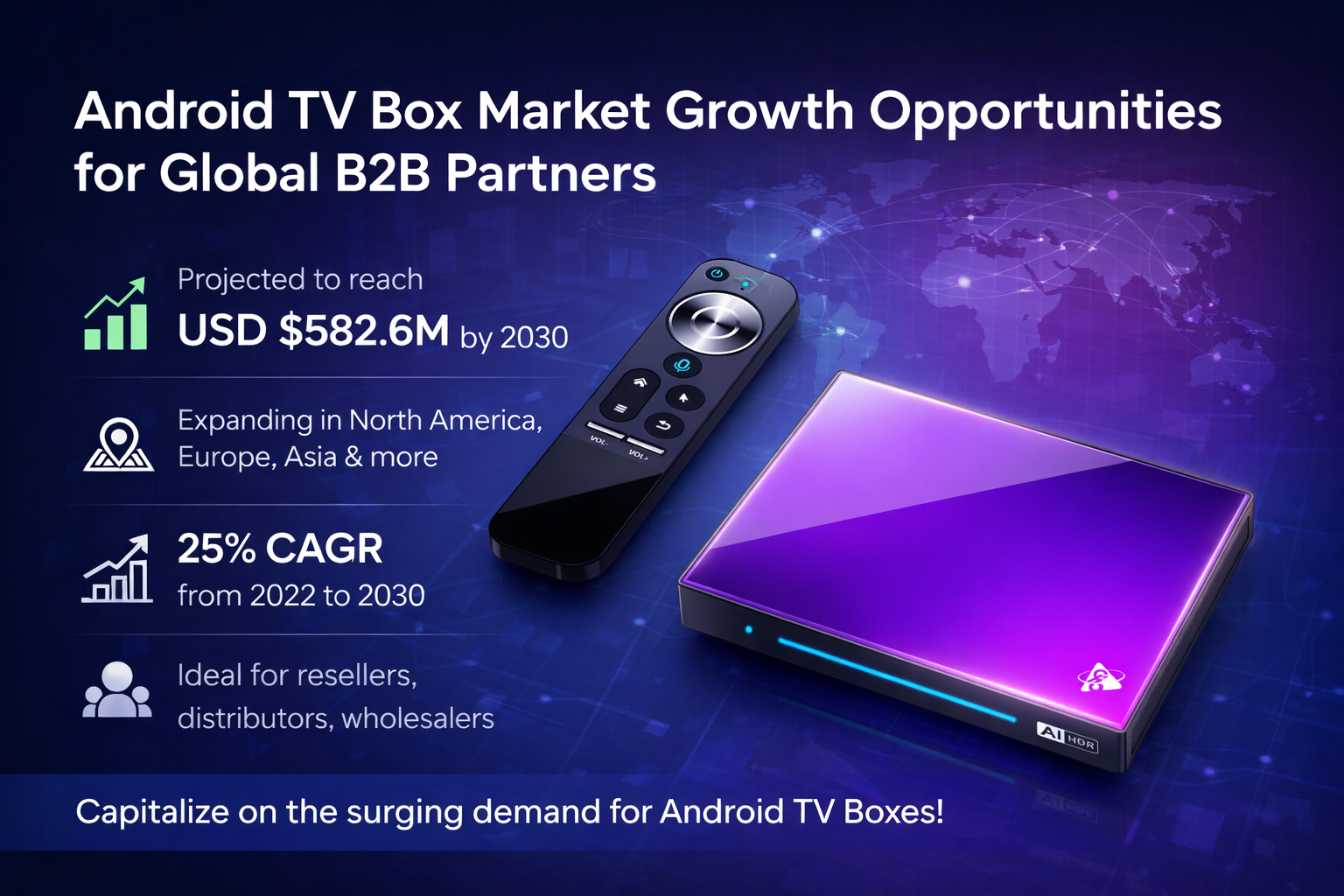
Can the Android TV Box Market Still Thrive in 2026? Real Market Data and Profit Analysis
Introduction: Setting the Stage for Android TV Box Market 2026
The Android TV Box Market 2026 stands at a crossroads of opportunity and challenge. As the world’s streaming habits evolve, this sector faces mounting pressure from built-in smart TVs and consolidated streaming ecosystems. However, authoritative data and real-world demand patterns show that Android TV boxes still maintain a vital role in both developed and emerging markets. Is is android tv box business profitable in 2026? This article delivers a professional, conversion-driven analysis based on verified research, industry perspectives, and genuine user needs—crafted to empower OEMs, distributors, and solution providers.
Global Demand: Why Android TV Box Market 2026 Remains Relevant
Despite the integration of streaming hardware into many smart TVs, the Android TV Box Market 2026 retains unique strengths. Flexibility, affordability, and customizable software give Android TV boxes a market edge—especially for multi-room use, hospitality, and consumers upgrading older screens. Statista reports that over 74 million streaming devices were shipped globally in 2025, with Android TV box models capturing over 30% of volume outside North America. Market intelligence from Grand View Research highlights that Asia-Pacific remains the fastest-growing region for Android TV boxes, while Western Europe and North America drive the highest revenue per unit, especially in the mid- and high-end categories. Such demand signals continued relevance across segments.
Key Drivers: Customization, Price, and Performance
One of the main Android TV Box Market Trends is the growing demand for user customization and open software environments. Unlike proprietary smart TV operating systems, Android TV boxes offer access to a wide variety of apps, updates, and content sources. In interviews with The Verge and Streaming Media Magazine, industry executives agree: buyers increasingly want device flexibility, easy upgrades, and freedom from manufacturer app restrictions. Price remains another core factor. In Latin America, Africa, and Southeast Asia, lower-cost Android TV boxes deliver OTT streaming at a fraction of the cost of replacing an entire television. Meanwhile, high-end models equipped with 4K/8K streaming, Dolby Vision, and voice control cater to more demanding markets. For both segments, value is the driver—but the definition of value shifts by region and customer profile.
Market Analysis: Android TV Box Profit Margin & Manufacturing Cost Breakdown
Examining the financial side, Android TV Box Manufacturing Cost and Android TV Box Profit Margin remain hot topics among industry insiders. Based on IBISWorld’s 2026 consumer electronics report and data from global supply chain audits, the typical manufacturing cost for a mainstream Android TV box ranges from $18 to $32 USD, depending on chipset, memory, casing material, firmware, and regulatory certifications. For advanced models, additional costs such as GPU acceleration, AI chips, or premium casing can push per-unit costs higher. android tv box manufacturing cost breakdown typically lists chipset and memory as the largest contributors (55-65%), with casing and assembly (20-30%) and software/firmware development and certification rounding out the remainder. OEMs with scale benefit from lower input costs, while niche providers must rely on differentiation to protect margins. Global profit margins for Android TV box OEMs, distributors, and resellers average between 12% and 23% as of early 2026, with higher margins in premium segments and specialized business-to-business deployments, especially in Europe and North America.
Regional Trends and Demand Differences
Regional demand patterns play a crucial role in shaping the Android TV box industry analysis. In North America and Western Europe, consumers expect advanced features: Wi-Fi 7, multi-user profiles, integration with smart home assistants, and robust security. TechCrunch and Digital Trends emphasize that data privacy, firmware longevity, and ecosystem compatibility are increasingly decisive purchase factors. In Asia-Pacific, rapid internet adoption and booming OTT content consumption drive volume sales, with Indian, Indonesian, and Chinese consumers seeking affordable yet upgradeable solutions. Reports from Economic Times (India) and China’s Global Times confirm that local content partnerships and app ecosystem adaptability directly influence purchasing decisions. In Africa and Latin America, cost remains king, with demand closely tied to flexible hardware that extends the usable life of non-smart TVs. Local telecom authority data supports these findings, highlighting the importance of regionalized apps and low price points for continued growth.
Expert Authority & Media Perspectives
Authoritative voices in technology journalism consistently affirm the enduring role of Android TV boxes. Omdia’s 2026 Streaming Device Outlook and IDC’s global hardware forecast predict moderate yet steady shipment volumes over the next five years, with an expected annual compound growth rate of 4-6% for Android-based devices. Forbes and The Economist have both described the Android TV box as an “essential bridge technology” for millions of households globally—not just in emerging markets, but also in developed countries where consumers are unwilling to replace working televisions. Media authority Digital Trends reports that the average device life-cycle has extended from three to nearly five years, with consumers citing continued satisfaction due to regular Android OS updates and broad app compatibility. Industry consensus is clear: as long as Android TV boxes continue to deliver unique value and adaptability, their market remains sustainable—even as competition grows fiercer.
OEM Manufacturer Strategies and Industry Innovation
For the Android TV Box OEM Manufacturer, innovation and strategic partnerships define the path forward. In-depth Android TV Box Market 2026 analysis highlights a shift toward AI-driven personalization, local-language voice assistants, and seamless multi-ecosystem support (including IoT integration and gaming platforms). Gartner’s technology trends brief for 2026 points to OEM/ODM partnerships as a key to rapid regional market adaptation, allowing brands to quickly address regulatory requirements and local preferences. Those able to offer long-term firmware support, modular hardware designs, and secure update channels are well positioned to capture high-margin business from both retail and institutional buyers.
Conversion Pain Points: What Customers Really Want
For buyers evaluating options, the most urgent pain points center on flexibility, value, and reliability. Customers are frustrated by locked-down smart TV platforms that limit app access or become obsolete after a few years. Business buyers—such as hotels, telecoms, and educational institutions—demand robust device management, bulk deployment support, and security updates. A significant conversion opportunity exists in solving these challenges. The Android TV Box Market 2026 is defined by transparency: clear support lifecycles, open app ecosystems, and easy integration with existing content providers drive customer decisions. Data-backed insights from Streaming Media Magazine show that businesses prioritizing these conversion-centric factors report lower churn and higher average device lifespans, supporting long-term growth.
The Next Five Years: Global Demand and Functional Evolution
Looking forward, demand in the Android TV Box Market 2026 is expected to evolve along two primary lines. In high-income markets, feature sophistication will accelerate: AI-powered content recommendations, integrated voice/multi-user support, high-bandwidth Wi-Fi, and advanced gaming. In fast-growing regions, cost-optimized hardware with guaranteed app compatibility and regional content will remain the biggest selling point. ABI Research and Frost & Sullivan forecast that Android TV boxes will remain a first choice for OTT upgrades among consumers unwilling or unable to invest in new televisions. With global smart TV penetration not expected to exceed 75% by 2030, there is significant room for Android TV boxes to serve as a vital transitional device. Supply chain diversification and flexible firmware solutions will be key in meeting increasingly localized regulatory and feature demands.
Conclusion: Profit Potential and Strategic Outlook
So, is android tv box business profitable in 2026? The answer is a clear yes for those able to control costs, adapt quickly to emerging trends, and deliver on evolving customer needs. The Android TV Box Market 2026 will be defined by value, reliability, and adaptability rather than just raw volume. As leading OEMs, distributors, and institutional buyers double down on feature-rich, conversion-focused models, data-driven strategies and regionally tailored solutions will become the norm. Backed by authoritative research and industry perspectives, the Android TV box sector remains a vibrant and profitable opportunity for forward-thinking businesses.
READ MORE
Android TV Box Market vs Smart TV Market: Competition Landscape Analysis 2026
2026 OTT Device Market Outlook: Will Android TV Box Be Obsolete?
2026 Global TV Box Market Demand: Which Countries Are Still Growing?
2026 Overseas Android TV Box Market Trends: A Comprehensive Risk and Opportunity Review
Will Fire TV and Roku Push Android TV Box Out of the Low-End Market?
Android TV Box Content Partnership: Global Expansion Opportunity?
White Label Android TV Box vs Private Mold Customization: Which Is Better for Overseas Clients?
Is Android TV Box Manufacturing Still Profitable in 2026 or Is the Real Value in Solutions?
Quick Links

.png "Watch H96 Max Android TV Box reviews on our YouTube channel")

.png "Explore H96 Max product photos on Instagram")