.png "H96 Max Android TV Box video reviews and tutorials on YouTube")
.png "H96 Max Android TV Box photos and lifestyle shots on Instagram")



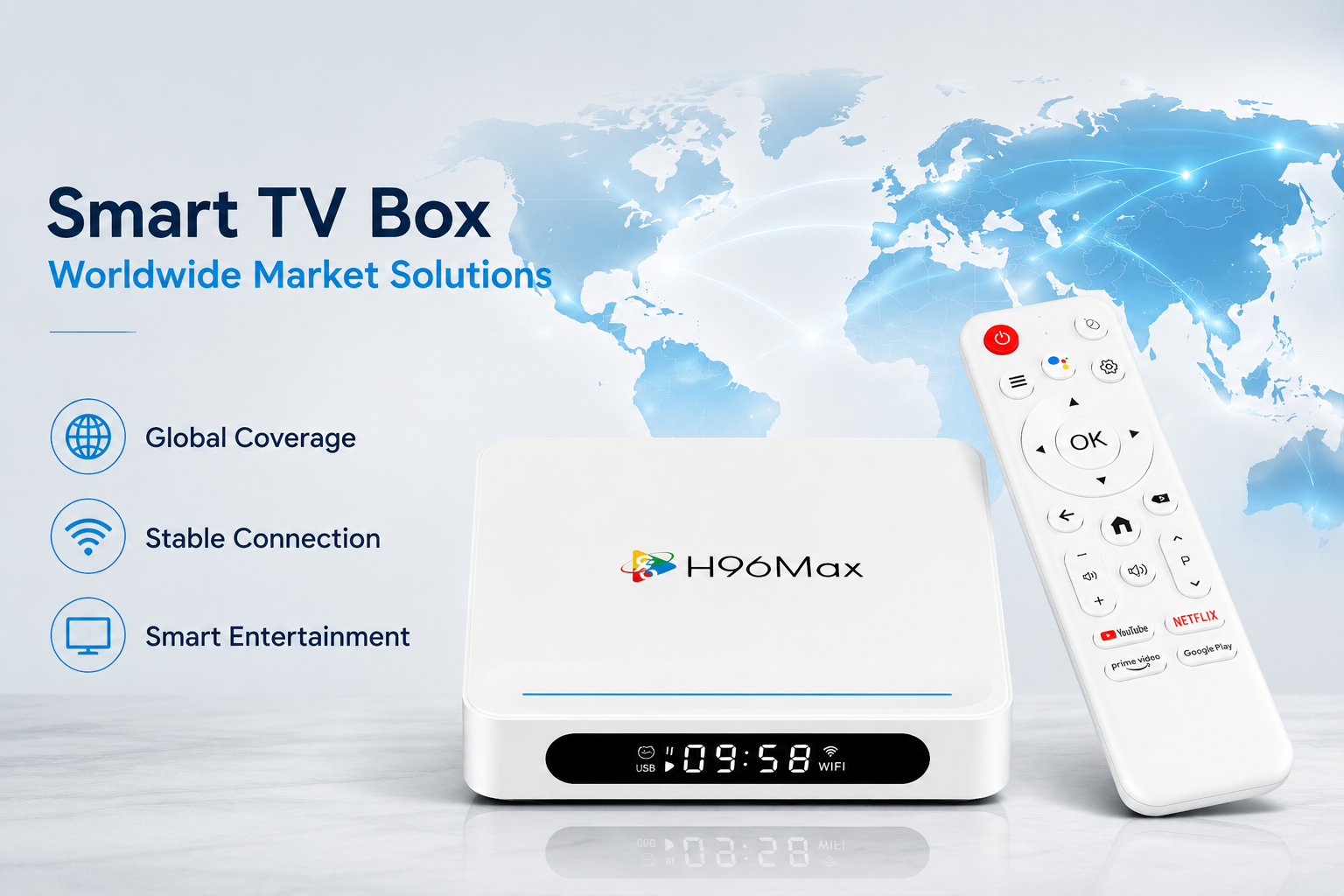
Why Compliance Strategy Determines Whether a Streaming Device Can Scale Globally
Custom Smart TV Box projects are often judged first by design, chipset performance, memory configuration, or software features, yet certification and compliance often decide whether the device can enter the intended market and protect brand reputation. For global buyers, compliance is not a final formality. It is a strategic workstream that affects hardware selection, software behavior, launch timing, packaging, documentation, procurement planning, and channel confidence. A streaming device that looks attractive but lacks the right approvals can face customs delays, listing restrictions, channel rejection, or expensive redesign. That is why certification planning should begin as early as platform selection.
The challenge is growing because smart devices now operate inside a more regulated commercial environment. The European Commission states that manufacturers are responsible for ensuring products placed on the EU market meet applicable requirements before CE marking. The FCC also requires radio frequency devices to be properly authorized before they are marketed or imported into the United States. In connected entertainment, buyers may also need to consider platform expectations tied to Google TV or Android-based ecosystems, DRM and content service requirements, and software stability. For a Custom Smart TV Box, compliance is therefore part of product architecture and commercialization strategy.
Why Certification Must Be Planned Before Development Is Locked
A common mistake in B2B device procurement is to treat certification as a separate stage that begins once the hardware sample is complete. In reality, certification outcomes are shaped by earlier decisions about Wi-Fi modules, Bluetooth design, power adapters, PCB layout, enclosure materials, labeling, and documentation. If these items are chosen without regulatory awareness, the project can lose time and money later through retesting or redesign. A disciplined Custom Smart TV Box Manufacturer should therefore connect engineering review with market-entry requirements from the beginning.
This is especially important for products moving across multiple regions. The compliance pathway for Europe is different from the one for the United States, and both may differ again in Latin America, the Middle East, or Southeast Asia. Even when the core hardware seems similar, variations in adapter sourcing, labeling language, wireless configuration, or accessories can influence the approval path. For a Custom Smart TV Box, early planning protects launch schedules by reducing avoidable engineering changes.
Understanding CE: More Than a Symbol on the Package
For companies targeting Europe, CE marking is one of the most visible compliance requirements, but many buyers misunderstand what it means. CE is not simply a logo printed on the carton. It reflects a responsibility to ensure the product meets relevant European requirements that may apply to safety, electromagnetic compatibility, and radio equipment, depending on the device configuration. Documentation, conformity assessment, technical files, labeling, and product consistency all matter. A Custom Smart TV Box intended for European distribution should therefore be designed with CE obligations in mind before the product reaches commercial production.
This affects sourcing and design choices. Wireless modules, adapters, materials, and enclosure changes may all influence the conformity pathway. The buyer should know who owns the technical file, how model variants are documented, and whether packaging and user instructions match the target market. A reliable OEM Smart TV Box Supplier will not present CE as a one-time test result divorced from production control. It should explain how compliance will be maintained if components change, labeling is updated, or a new market variant is introduced.
Understanding FCC: Market Access Depends on RF Discipline
The United States introduces another major compliance layer through FCC rules. Because streaming devices often include Wi-Fi and Bluetooth functionality, radio frequency authorization becomes a practical condition of market access. Buyers sometimes assume that a previously approved module automatically makes the finished device compliant under all circumstances. In practice, the integration approach, enclosure design, antenna behavior, labeling, and documentation may still need careful review. A Custom Smart TV Box program that ignores these factors can experience delays precisely when commercial launch plans are already active.
FCC readiness should be built into hardware planning, especially when the product is being customized for a private label or region-specific package. Engineering teams need to understand how board layout, shielding, antenna placement, and peripheral configuration relate to RF behavior. Procurement teams need to know whether adapter changes or accessory substitutions affect documentation or testing assumptions. For buyers working with an Android TV Box Wholesale Supplier, the key question is whether the supplier can coordinate engineering, documentation, and production discipline rather than merely offer a low opening quotation.
Google TV, Platform Requirements, and User Experience Expectations
Beyond regulatory access, many buyers also need to think about ecosystem compatibility and platform expectations. References to Google TV often create confusion because buyers may mix together operating system customization, interface design, service compatibility, and licensing expectations. The practical lesson is that a Custom Smart TV Box intended for branded, high-quality market positioning needs software planning that respects platform behavior, app compatibility, account flow, and update stability. Even where formal certification language is used differently across projects, platform readiness remains a commercial issue because it influences usability and buyer trust.
This is one reason serious buyers evaluate not just factory output, but software governance. A Private Label Smart TV Box that launches with unstable onboarding, weak remote navigation, or poor update behavior may technically exist in the market but still fail commercially. A supplier with real project capability should explain how system adaptation, app behavior, launcher logic, and OTA policy will be validated before release.
Why Netflix and Content-Service Readiness Change Buyer Priorities
Content service expectations also shape compliance thinking. Buyers often ask about Netflix because it represents a broader concern: whether the device can support the premium content experience the target market expects. In practice, this involves more than app installation. It may touch DRM pathways, system optimization, performance consistency, remote interaction, and brand perception. When a Custom Smart TV Box is intended for mainstream entertainment or operator deployment, content-service readiness becomes part of channel credibility.
This is where product strategy must remain realistic. Not every device project needs the same certification scope or service positioning. The right path depends on geography, business model, service relationships, and customer expectations. A strong Custom Smart TV Box Manufacturer helps buyers decide which approvals and ecosystem targets are essential for the launch plan, and which ambitions may be better phased into later generations.
Documentation, Labeling, and Packaging Are Compliance Assets Too
Many compliance failures do not come from dramatic hardware flaws. They come from weak control of manuals, labels, packaging content, declarations, serial traceability, and market-specific information. If the wrong label is applied, if model numbers do not match the technical file, or if instructions lack required language, a project can encounter avoidable friction. For a Custom Smart TV Box, documentation should be treated as part of the product, not an administrative afterthought.
This matters especially when a project includes multiple SKUs, accessories, or branding variants. Buyers need to know how compliance information is tracked across cartons, user guides, rating labels, and production lots. A serious OEM Smart TV Box Supplier should be able to explain version control, approval workflows, and what happens when packaging or adapter suppliers change. That operational clarity is often what buyers mean when they ask How to Choose a Reliable Custom Smart TV Box Manufacturer for Your Business.
How Compliance Planning Affects Cost, Speed, and Supply Chain Risk
Certification is often discussed as a cost center, but its commercial value is broader. Early compliance planning can reduce retest risk, shorten launch uncertainty, and prevent expensive component substitutions after marketing commitments have been made. It also supports clearer forecasting because sourcing teams know which modules, adapters, and labels are approved for each market. Without this structure, even a promising Custom Smart TV Box can become vulnerable to shipment delays or inconsistent field configuration.
Supply chain discipline is therefore inseparable from compliance discipline. If the project depends on interchangeable memory, wireless modules, or power accessories, teams must know which substitutions are acceptable and how they are documented. For global buyers evaluating Custom Smart TV Box OEM ODM Solutions for Global Brands and IPTV Providers, this is a strong indicator of factory maturity. A partner that understands certification only at the test-report level may struggle when real production conditions change.
What Buyers Should Audit Before Approving a Global Launch
Before commercial rollout, buyers should audit the full compliance chain. That means confirming target-market requirements, test status, module choices, labeling consistency, adapter approvals, declaration ownership, user-guide language, carton markings, and post-change control procedures. They should also confirm how pilot runs are checked against approved specifications and how firmware versions are tied to production lots. A Custom Smart TV Box that passes lab evaluation but lacks factory-level control still carries launch risk.
The factory conversation should also include response planning. If a component becomes unavailable, what is the engineering-change process? If a market requests a different plug or language pack, how is documentation updated? If software changes affect device behavior, who checks whether the change alters compliance assumptions? These questions help separate a genuine manufacturing partner from a simple trading coordinator.
Final Perspective
Global compliance is not a narrow technical box to tick after development. It is a framework that protects market access, channel trust, and product continuity. CE, FCC, platform expectations, content-service readiness, labeling control, and production discipline all shape whether a device can scale responsibly across regions. For brands, operators, and distributors building a serious device roadmap, H96 Max provides source-factory support across hardware integration, software coordination, compliance planning, branding execution, and scalable production management. Partner with H96 Max today.
READ MORE
How to Choose a Reliable Smart TV Box ODM Manufacturer for Long-Term Partnership
Smart TV Box ODM Cost Breakdown: How to Control Budget and Maximize ROI
How Custom Smart TV Boxes Help Operators and Brands Increase Revenue
One-Stop Smart TV Box ODM Solutions: Hardware, Software and Branding Integration
Android System & UI Customization: Building a Unique Smart TV Experience
Smart TV Box Hardware Customization Guide: CPU, RAM, Storage and Design Options
From Concept to Mass Production: Complete Smart TV Box ODM Development Process
OEM vs ODM Smart TV Box: Which Business Model Is Better for Your Brand?
Custom Smart TV Box Explained: Why Global Brands Choose OEM/ODM Solutions
Quick Links

.png "Watch H96 Max Android TV Box reviews on our YouTube channel")

.png "Explore H96 Max product photos on Instagram")