.png "H96 Max Android TV Box video reviews and tutorials on YouTube")
.png "H96 Max Android TV Box photos and lifestyle shots on Instagram")



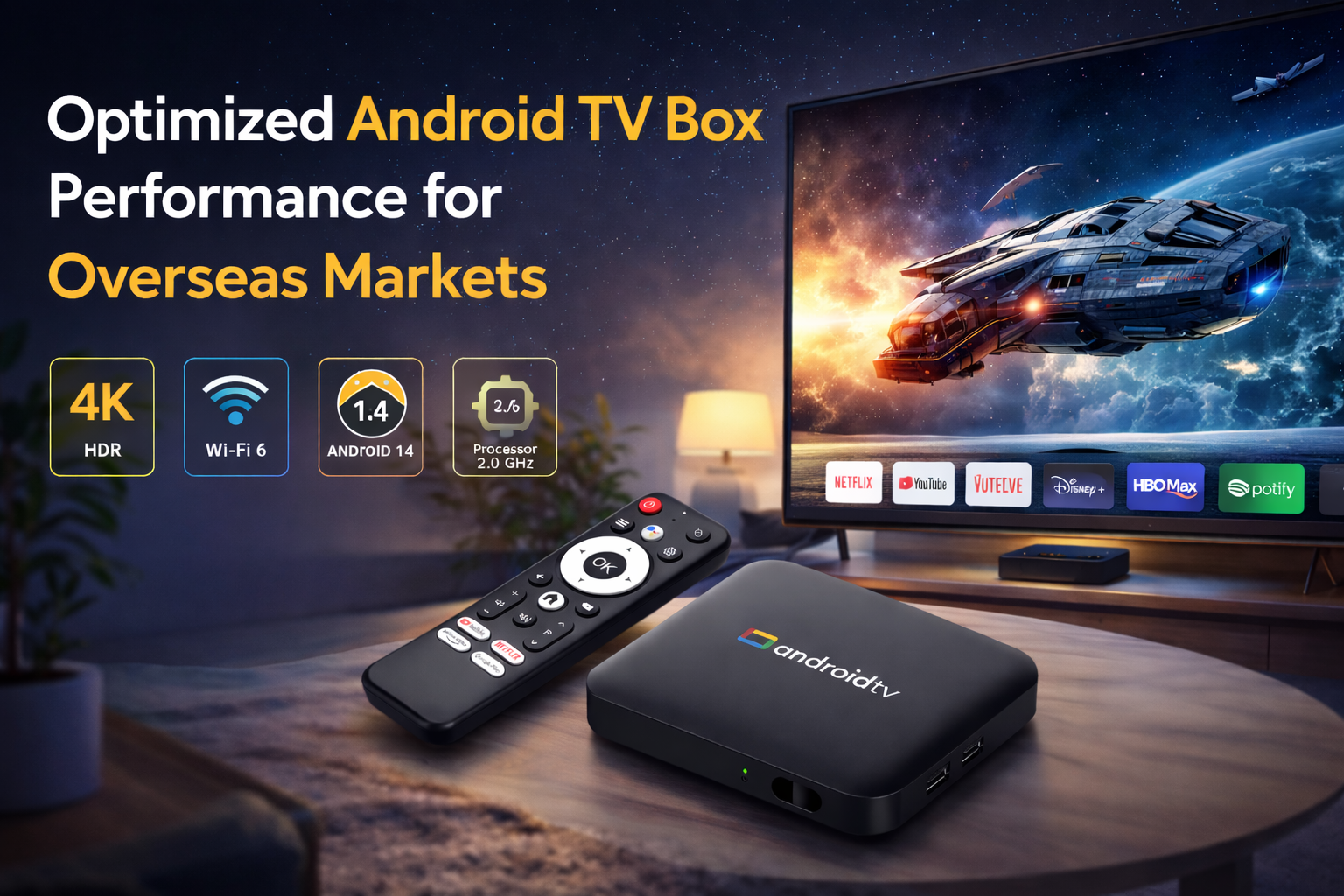
Top 5 Most Common Complaints from Overseas Android TV Box Customers (with Solutions)
In the export business of Android TV boxes, many sellers find that the real challenge isn’t selling the product—it’s managing a flood of after-sales complaints. For international buyers and B2B clients, the reputation of your brand depends not just on the initial sale but on the long-term reliability of your devices. Addressing the Android TV Box Common Problems before shipment is the key to reducing post-delivery issues and building lasting customer relationships.
This article summarizes the five most frequent complaints raised by overseas customers, offers an in-depth analysis of the root causes, and provides actionable solutions from a manufacturer’s perspective. Whether you are an importer, wholesaler, or project manager, you will learn how to reduce support requests, improve customer satisfaction, and ultimately increase your repeat business. All recommendations are based on real-world feedback and proven factory practices.
Complaint Ranking: The Top 5 Android TV Box Issues
Based on extensive customer feedback and industry data, the following are the most common Android TV box problems reported by international clients:
System Freezes and Crashes
Weak WiFi Signal or Connection Drops
App Compatibility Issues (e.g., Netflix or major streaming apps not working)
Remote Control Lag or Failure
Power Adapter Overheating or Quality Failures
Reason Analysis: Why Do These Problems Happen?
Each complaint has a set of technical or quality control root causes that, if left unaddressed, will lead to repeated after-sales service cases. Here is a breakdown of the underlying reasons:
1. System Freezes and Crashes
The Android TV Box Common Problems list always starts with software instability. Export models may use custom firmware or older Android versions, which can lack optimization and security patches. Limited hardware resources (such as low RAM or slow flash memory) also exacerbate performance problems. In some cases, excessive bloatware or poor app compatibility increases the risk of freezing or unexpected shutdowns.
2. Weak WiFi Signal or Connection Drops
WiFi issues are a persistent source of Android TV box customer complaints. Many export buyers underestimate the impact of substandard WiFi chips, poorly designed antennas, or inadequate PCB layout. Environmental factors, such as interference from other devices, can make things worse, but hardware selection and board design are the most frequent culprits.
3. App Compatibility Issues (Streaming Apps)
One of the Most common Android TV box problems is that popular streaming apps like Netflix, Disney+, or Amazon Prime Video are either unavailable or cannot be updated. This usually results from devices lacking Google certification (Google Widevine DRM, Play Protect, etc.), or using unlicensed app versions. Regional firmware limitations and inconsistent app store compatibility also play a major role.
4. Remote Control Lag or Failure
Remote control complaints can be traced to poor component selection, outdated IR protocols, or insufficient firmware support for Bluetooth/2.4G remotes. Battery contact issues, low-quality plastics, and signal interference can all contribute to a frustrating user experience. Such Android TV box issues significantly hurt brand reputation, especially in family and hospitality markets.
5. Power Adapter Overheating or Quality Failures
Power supply reliability is often overlooked but can result in dangerous situations or outright device failure. Non-certified power adapters, inconsistent voltage supply, or insufficient heat dissipation design all contribute to Android TV box problems and solutions discussions. Long-term stability testing is rarely done by low-tier suppliers, leaving buyers at risk of high return rates.
Solution Strategies: How Reliable Factories Prevent These Problems
To proactively address Common Android TV box problems, professional manufacturers implement a series of best practices and quality control steps. Here’s how a true source factory mitigates each complaint:
System Freezes and Crashes: Solution
Use stable, regularly updated firmware with strict version control and extensive beta testing.
Optimize hardware resource allocation: at least 2GB RAM and eMMC 5.0 or above for smooth operation.
Pre-install only essential apps and ensure all third-party applications are certified for compatibility.
Perform stress tests on every batch, simulating real-world heavy usage for at least 48 hours.
Weak WiFi Signal or Connection Drops: Solution
Select premium WiFi chips (e.g., Realtek, Broadcom) and test dual-antenna solutions for export models.
Optimize PCB layout to minimize interference and signal loss.
Run full anechoic chamber signal strength and stability testing before mass production.
Document and track all field failure rates to enable rapid troubleshooting if Android TV box troubleshooting is required after shipping.
App Compatibility Issues: Solution
Obtain Google certification where possible, or ensure Widevine L1/L3 support for content protection and major app compatibility.
Partner with software teams for prompt OTA firmware updates when apps change their requirements.
Maintain a rolling QA process to test the top 20 global streaming apps with each firmware release.
Educate customers on regional restrictions and provide clear upgrade instructions to minimize complaints related to Android TV box problems and solutions.
Remote Control Lag or Failure: Solution
Adopt robust remote control protocols (Bluetooth 5.0, advanced IR) and ensure thorough compatibility testing.
Source remotes from certified suppliers with proven performance in export markets.
Include strict drop and stress tests in the QC process, as well as batch sampling for battery contacts.
Document and respond to field complaints quickly, updating firmware as needed to address Android TV box troubleshooting requests.
Power Adapter Overheating or Quality Failures: Solution
Only use adapters certified to local electrical standards (CE, UL, FCC, etc.).
Test power supplies under maximum load for at least 24 hours to screen out early-life failures.
Redesign enclosures with optimized heat dissipation, using fire-resistant materials where possible.
Maintain an approved-vendor list and conduct incoming quality checks for every adapter shipment.
How to Fix Android TV Box Problems: What Reliable Factories Do Differently
While many factories claim to provide quality products, only a select few implement a true “zero-defect” philosophy for their export Android TV boxes. To reduce the number of Android TV Box Common Problems and maximize your brand reputation, the following practices are essential:
100% full-function testing of every device before shipment, including WiFi, streaming, and remote control functions.
Rigorous aging tests (minimum 24 hours) to catch intermittent system issues or hidden defects.
Traceable QA records for every order, enabling post-delivery analysis and continuous improvement.
Real-time feedback loops with overseas distributors and after-sales teams to address Common Android TV box problems quickly and professionally.
Cooperation Advice: Partnering with the Right Source Factory
The most effective way to reduce after-sales complaints is to work directly with a source manufacturer that has both advanced technical capabilities and a mature quality control system. If you want fewer headaches and higher customer satisfaction, do not compromise on factory standards. Insist on visiting the factory, reviewing test reports, and confirming the supplier’s after-sales support policy.
Ultimately, choosing an Android TV box partner that invests in product engineering, full-scope testing, and responsive service will save you time, cost, and reputation in the long run. As a proven source factory, H96 Max welcomes the opportunity to discuss customized solutions for your next project. If you’re ready to upgrade your Android TV box supply chain, reach out to our technical sales team for a one-on-one consultation.
READ MORE
How to Avoid Inconsistencies Between Android TV Box Samples and Mass Production?
Android TV Box Quality Is Unstable—80% of Issues Originate from This Critical Step
Why Many Android TV Boxes Are Seized by Customs? Root Cause Analysis
Why Does Your Android TV Box Project Always Get Delayed? The Factory Truths No One Tells You
How to Identify If an Android TV Box Factory Is Just a Trading Company?
Before Android TV Box OEM Partnership: What Clients Truly Fear Isn’t the Price, But This
Why 90% of Android TV Box Wholesalers Fall into These 5 Traps?
Quick Links

.png "Watch H96 Max Android TV Box reviews on our YouTube channel")

.png "Explore H96 Max product photos on Instagram")