.png "H96 Max Android TV Box video reviews and tutorials on YouTube")
.png "H96 Max Android TV Box photos and lifestyle shots on Instagram")



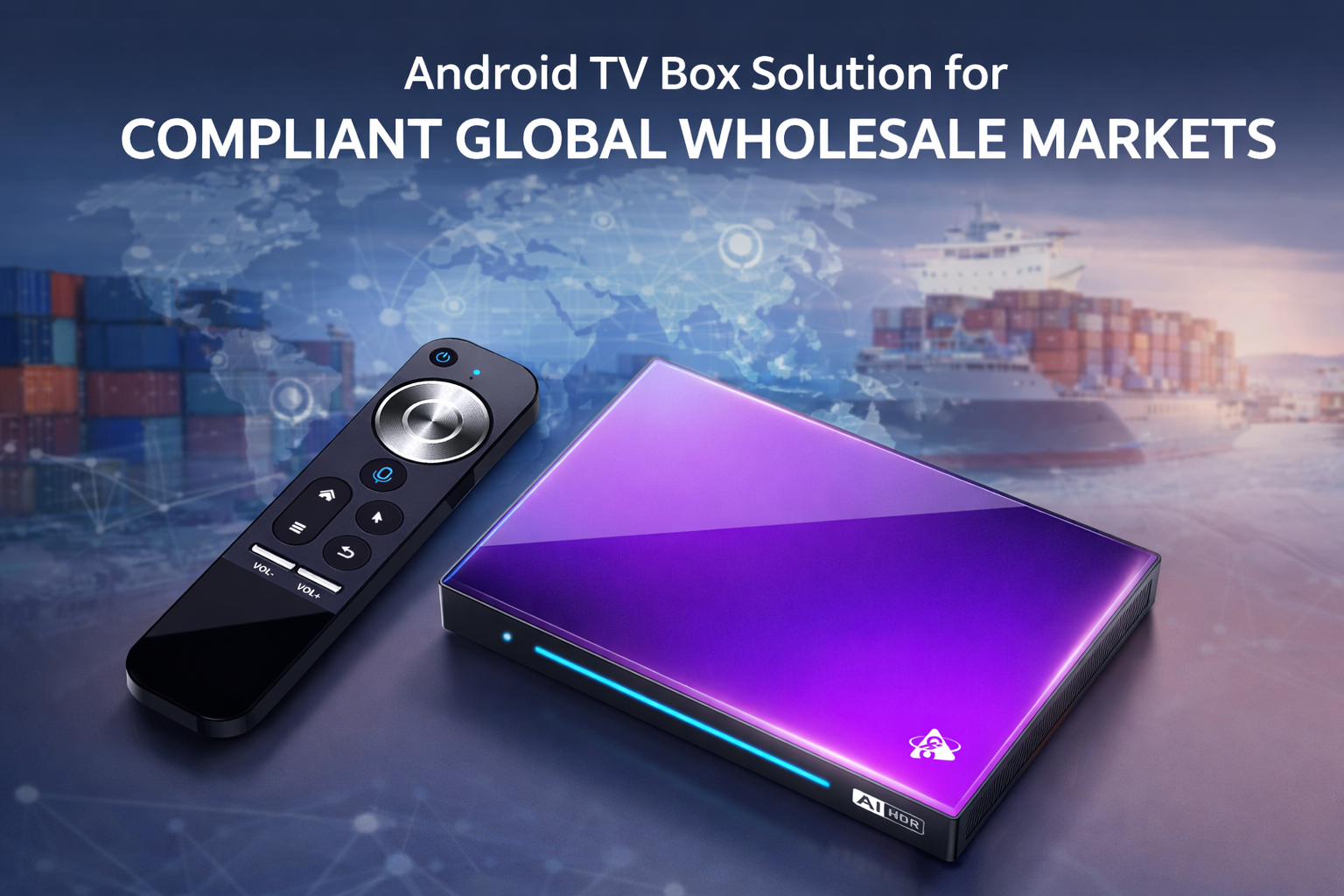
Why Android TV Boxes Are Seized by Customs: A Root Cause Analysis
“Cargo arriving at the port only to be seized by customs is deadlier than a delayed delivery.” This is a real pain point in international trade, especially for buyers and distributors of Android TV boxes. Imagine investing significant capital, finalizing production, and arranging logistics—only to receive notice that your entire shipment is being held by customs authorities. Why Android TV Boxes Are Seized by Customs is not just a hot topic, but a critical risk that could cost your business its reputation and operational stability.
Common Misconceptions Among Buyers
Many importers believe that customs seizures are rare events, or that as long as products “work well,” they will smoothly pass through clearance. There are several common misunderstandings:
Assuming that low prices or large volumes guarantee smooth importation.
Believing that a product “working in China” means it complies with EU or US regulations.
Thinking that missing certificates or simple label issues won’t be scrutinized by customs.
Trusting that suppliers handle all compliance, regardless of their export experience.
Focusing solely on cost and ignoring end-market legal requirements.
These assumptions often result in devastating surprises. Why Android TV Boxes Are Seized by Customs becomes painfully clear only when the goods are already stuck at a port.
The 5 Main Reasons for Android TV Box Customs Seizure
Let’s analyze real-world cases and pinpoint the five most frequent causes for Android TV box customs seizure, using documented examples from both Europe and the Americas:
Missing or Counterfeit Certification Documents (CE/FCC/RoHS):Many customs seizures result from missing or forged certificates. European Union requires valid CE certification for consumer electronics; the US requires FCC documentation; RoHS is mandatory in many regions. Falsifying these documents or providing expired, invalid, or mismatched certificates triggers Android TV box compliance issues and immediate seizure.
Example: In 2023, an EU customs office held back a 2,000-unit Android TV box shipment due to a CE certificate number not matching the actual manufacturer.Inconsistent Product Labels and Declaration Information:Customs clearance problems often arise when what’s declared on paperwork (model, power rating, brand) doesn’t match the physical product. Even minor label discrepancies—such as missing the importer’s information, wrong voltage, or typo—can result in Android TV box import issues, delaying or canceling clearance.
Example: A US buyer lost a full container after customs flagged a mismatched serial number between manifest and device label.Non-Compliant Power Adapters:Adapters must meet local electrical standards. In Europe, missing LVD or EMC reports, incorrect plug types, or lack of proper certification lead to immediate customs seizure. A compliant Android TV box requires not just the box itself, but every accessory, to match local rules.
Example: 500 units seized in Germany after a spot check revealed generic adapters with no CE or GS mark.Wireless Modules Failing Local Standards:Bluetooth, WiFi, and other wireless modules are strictly regulated. Lack of local test reports, such as RED in the EU or FCC in the US, can trigger Android TV box legal risks. Modules passing China’s GB standards often don’t meet overseas requirements.
Example: UK authorities confiscated a shipment over WiFi modules with insufficient EN 300 328 documentation.Incomplete Packaging and Shipping Documentation:Manuals, packaging, and outer cartons must meet import standards. Missing language, incorrect recycling symbols, or incomplete packing lists can also cause Why are Android TV boxes stopped by customs. Even professional buyers sometimes ignore these details.
Example: Spanish customs blocked a shipment for not including Spanish-language instructions.
Solutions for Each Cause of Android TV Box Customs Seizure
For each risk, there are practical solutions buyers must implement:
Certification Documents:Always request original, valid certificates directly from your supplier. Use official government databases to cross-verify CE, FCC, and RoHS documentation. If possible, have certificates issued in your company name, not just the factory’s.
Product Label Consistency:Before shipping, inspect sample labels and compare to the customs declaration. Require suppliers to provide label photos and paperwork for pre-approval. Use a checklist to confirm all details match (model, importer info, safety symbols, etc.).
Power Adapter Compliance:Request a sample power adapter and ask for local compliance test reports (such as GS or UL). Avoid generic adapters and insist on model-specific certifications for every destination country.
Wireless Module Documentation:Work only with suppliers whose wireless modules have passed local compliance tests. Ask for the full technical documentation, not just a certificate scan.
Complete Packaging and Paperwork:Ensure all packaging includes correct language, recycling, and compliance markings. Manuals should be reviewed and, if needed, translated to the local language. Check every document against import country requirements before shipping.
How Experienced Factories Prevent Customs Seizure Risks
Unlike small traders or new factories, an experienced source factory will:
Preemptively update and review all certification documents annually.
Employ dedicated compliance officers who check every detail before shipment.
Maintain traceable records for each order, from label design to wireless module sourcing.
Provide compliance training for production staff and keep abreast of changing import standards.
Partner with recognized testing labs to verify adapter and wireless module conformity before export.
By adopting a comprehensive compliance system, the likelihood of Android TV box customs clearance problems is drastically reduced.
Professional Cooperation Advice for Importers
Here are proven tips for buyers aiming to avoid Why Android TV Boxes Are Seized by Customs and related legal or financial losses:
Never select suppliers solely on price; investigate their export compliance track record.
Request to see recent customs clearance records and ask about prior issues or solutions.
Sign contracts that include compliance responsibility clauses and specify compensation for non-compliance.
Ask for professional advice on labeling, certification, and packaging—don’t rely on guesswork.
Build long-term relationships with factories that invest in compliance, not just production.
If you want to avoid Android TV box customs seizure and truly protect your supply chain, work only with source factories that offer complete export and compliance solutions.
How to avoid Android TV box being seized by customs? Choose a factory like H96 Max, which is deeply experienced in overseas exports and compliance, and start your next project with confidence and peace of mind.
READ MORE
How to Avoid Inconsistencies Between Android TV Box Samples and Mass Production?
Android TV Box Quality Is Unstable—80% of Issues Originate from This Critical Step
Top 5 Most Common Complaints from Overseas Android TV Box Customers (with Solutions)
Why Does Your Android TV Box Project Always Get Delayed? The Factory Truths No One Tells You
How to Identify If an Android TV Box Factory Is Just a Trading Company?
Before Android TV Box OEM Partnership: What Clients Truly Fear Isn’t the Price, But This
Why 90% of Android TV Box Wholesalers Fall into These 5 Traps?
Quick Links

.png "Watch H96 Max Android TV Box reviews on our YouTube channel")

.png "Explore H96 Max product photos on Instagram")