.png "H96 Max Android TV Box video reviews and tutorials on YouTube")
.png "H96 Max Android TV Box photos and lifestyle shots on Instagram")



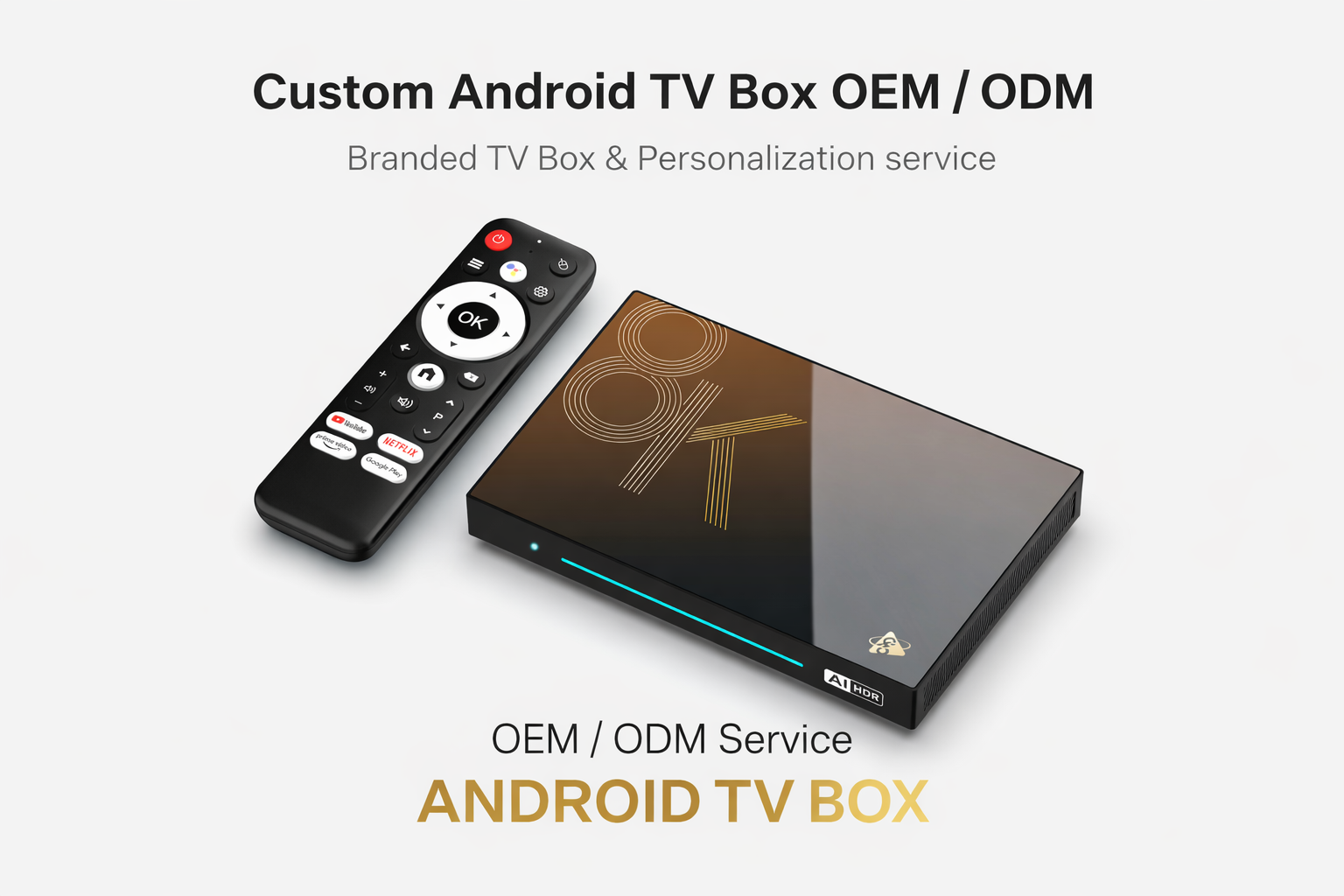
Root Causes of Mass Production Delays in Android TV Box Projects
Android TV Box production delay is one of the most sensitive risks in global consumer electronics sourcing. When delivery schedules slip, distributors lose market windows, brand owners face channel penalties, and cash flow cycles become strained. According to Deloitte’s global manufacturing outlook, over 70% of electronics manufacturers experienced schedule disruptions in recent years due to supply chain instability and internal coordination inefficiencies. Understanding the real causes behind delays is not about assigning blame; it is about building a controllable and predictable Android TV Box manufacturing process that protects both buyers and factories.
Internal Factory Factors That Trigger Delays
Many clients ask: Why is my Android TV Box order delayed? In most cases, the answer begins inside the factory. Even experienced teams can underestimate the complexity of scaling from sample approval to mass production. The Android TV Box manufacturing process involves PCB assembly, firmware integration, aging tests, packaging validation, and final inspection. If any stage lacks synchronization, the entire schedule shifts.
One common issue is unstable production planning. Insert orders from large clients can disrupt previously confirmed schedules. When urgent projects are inserted into the line, SMT capacity, assembly manpower, and testing stations are reallocated. This domino effect extends the Android TV Box lead time for other customers. Without strict capacity evaluation and transparent planning rules, production rhythm becomes unpredictable.
Another internal risk is unfinished software. Firmware not finalized before mass production frequently causes rework. If the system version changes after pilot run, devices must be reflashed and retested. This not only consumes labor but also affects Android TV Box factory quality control standards because stability must be revalidated. Industry data from McKinsey shows that software-related rework accounts for nearly 30% of electronics production inefficiencies in smart devices.
Engineering change management is also critical. Temporary material substitution, even when technically equivalent, can require compatibility verification. For example, replacing WiFi modules or power ICs may trigger new RF tests or thermal validation. If these changes are not planned early, the Android TV Box production delay becomes inevitable.
Supply Chain Instability and Component Shortages
From a supply chain perspective, semiconductor shortages remain a structural risk. Media reports from Reuters and Bloomberg have repeatedly highlighted how chipset supply fluctuations impact global consumer electronics output. Android TV Boxes rely heavily on specific SoCs, memory chips, and wireless modules. When chip allocation tightens, even a reliable OEM Android TV Box supplier cannot secure immediate replenishment.
Key material shortages extend beyond chipsets. Power management ICs, DDR memory, eMMC storage, and even packaging materials can create bottlenecks. According to IPC supply chain surveys, electronics production delay causes are increasingly linked to second-tier supplier instability rather than final assembly factories. This means buyers must evaluate not only the final assembler but the entire component ecosystem.
Logistics volatility further increases uncertainty. Ocean freight congestion, customs inspections, and geopolitical policies affect inbound component timelines. When critical parts arrive late, assembly lines stand idle. These external risks directly influence Android TV Box lead time projections.
Certification and Compliance Oversights
Certification planning is often underestimated. Google certification, CE, FCC, and regional compliance tests require booking laboratories weeks in advance. If certification is not aligned with the Android TV Box manufacturing process schedule, finished goods may be ready but cannot ship legally. Delayed compliance approval becomes a silent contributor to Android TV Box production delay.
Additionally, regulatory updates may require documentation revision. If documentation packages are incomplete or labeling standards change, shipment clearance can be postponed. These factors are frequently overlooked during initial quotation discussions.
Communication and Project Management Gaps
Communication inefficiency is another hidden cause. When product specifications are not frozen before tooling and procurement, repeated confirmation loops waste time. Cross-border projects involving brand owners, traders, and an OEM Android TV Box supplier often suffer from unclear responsibility allocation. Without a structured approval workflow, minor misunderstandings escalate into schedule setbacks.
Professional project management requires milestone control: EVT, DVT, PVT, and MP stages must be clearly defined. Transparent reporting mechanisms reduce uncertainty. According to PMI research, projects with standardized communication frameworks are 2.5 times more likely to meet schedule targets.
Quality Control and Rework Risks
Strict Android TV Box factory quality control is essential, but excessive reactive testing can also extend schedules. If defect rates exceed acceptable thresholds during pilot production, additional inspection or aging cycles are added. Poor soldering yield, unstable firmware, or packaging defects increase rework ratios. While quality cannot be compromised, preventive engineering validation is far more efficient than corrective mass rework.
Data-driven yield analysis helps minimize electronics production delay causes. Statistical process control, burn-in test optimization, and automated flashing systems significantly reduce human error. Factories that digitize traceability systems often maintain more stable Android TV Box lead time performance.
How to Avoid Production Delays in Android TV Box Manufacturing
How to avoid production delays in Android TV Box manufacturing begins with early-stage planning. First, freeze hardware and software specifications before procurement. Second, secure long-lead components immediately after forecast confirmation. Strategic buffer stock for core chipsets reduces exposure to market volatility.
Third, evaluate the real capacity of your OEM Android TV Box supplier. Ask for SMT throughput data, assembly line balance reports, and historical on-time delivery rates. Transparency builds predictability. Fourth, integrate certification scheduling into the master production timeline rather than treating it as a separate task.
Fifth, implement dual communication channels: engineering-to-engineering and management-to-management. Structured weekly updates reduce ambiguity. Finally, conduct pre-mass production audits covering Android TV Box manufacturing process control points, risk inventory, and contingency planning.
The global smart device industry continues to grow, but volatility remains. Analysts from Gartner emphasize that resilient supply chains outperform cost-focused models in the long term. For buyers, understanding Android TV Box production delay risks transforms procurement from reactive to strategic. By identifying internal inefficiencies, supply vulnerabilities, certification gaps, and communication weaknesses, companies can protect launch schedules and market competitiveness.
If you are evaluating cooperation with a stable manufacturing partner, working directly with an experienced source factory such as H96 Max can provide clearer production visibility and structured risk management support. Reliable collaboration begins with transparency and disciplined execution.
READ MORE
How Android TV Box Manufacturers Ensure Long-Term Stable Supply
How Can an Android TV Box Factory Safeguard Overseas Clients’ Brand Privacy?
How to Determine Whether an Android TV Box Manufacturer Has Strong R&D Capability?
Inside the Real Production Flow of an Android TV Box OEM Factory
5 Essential Factory Details to Audit Before Bulk Purchasing Android TV Boxes
How Do Android TV Box Factories Ensure Stable Quality in Bulk Orders?
Why Choose an Android TV Box Manufacturer Instead of a Trading Company?
Quick Links

.png "Watch H96 Max Android TV Box reviews on our YouTube channel")

.png "Explore H96 Max product photos on Instagram")