.png "H96 Max Android TV Box video reviews and tutorials on YouTube")
.png "H96 Max Android TV Box photos and lifestyle shots on Instagram")



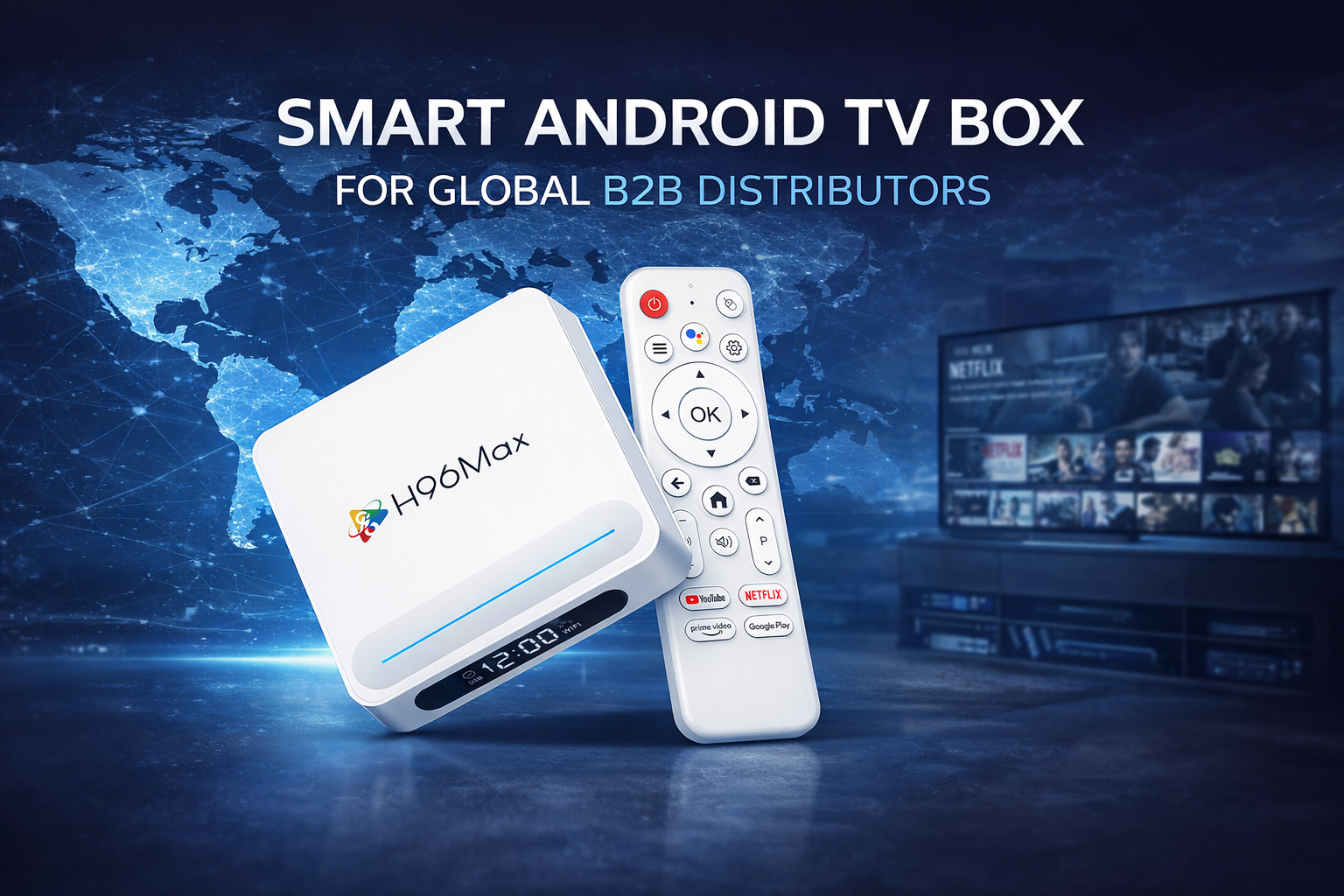
2026 Android TV vs Google TV: Which is the Best Choice for OEM Profit?
The global smart TV market in 2026 is highly competitive, with OEMs seeking platforms that combine flexibility, reliability, and profit potential. Among the options, Android TV Box OEM is a focal point for many manufacturers due to its strong customizability and robust supply chain. This article provides a comprehensive, professional comparison of Android TV and Google TV, with a particular focus on OEM use, to help you make the best business decisions without any promotional bias.
Platform Overview and System Architecture
Android TV and Google TV have overlapping yet distinct technical and business profiles. For an Android TV Box OEM, understanding the system architecture is essential. Android TV is an open ecosystem supported by Google, widely adopted by OEMs, and compatible with a variety of hardware. Google TV, while based on Android TV, layers Google’s proprietary user experience and additional features, but restricts deeper customization. This fundamental difference has direct implications for OEM strategy and product development.
Customization and Branding Flexibility
Android TV Box OEM solutions are renowned for their high level of customization. Manufacturers and brands can tailor the system UI, preinstall custom applications, and implement unique branding elements. Android TV Box ODM providers and Android TV Box Manufacturer partners often work closely with brands to deliver differentiated user experiences. Conversely, Google TV imposes more uniformity to maintain a consistent Google-led experience, restricting branding and preloaded app choices. For companies prioritizing white-label flexibility and unique market positioning, Android TV remains the stronger option.
Certification, Licensing, and Compliance
Android TV Box Factory China and international OEMs must comply with Google’s certification and licensing processes for both platforms. However, Google TV typically has stricter and lengthier compliance demands, including UI restrictions and extended software review. This can increase time-to-market for Google TV-based devices. By contrast, Android TV’s certification process is more straightforward, enabling OEMs and Android TV Box Manufacturer partners to launch products efficiently while ensuring compliance with global standards.
Hardware Compatibility and Supply Chain
For OEMs and Android TV Box Factory China, hardware flexibility is a decisive factor. Android TV supports a wide range of chipsets and memory configurations, allowing ODMs and OEM Android TV Box partners to design for varied budgets and performance needs. Google TV-certified devices are limited to select chipsets and stricter Google hardware requirements, often leading to higher BOM (bill of materials) costs. For Android TV Box Wholesale projects and companies that require scalable solutions, Android TV allows better adaptation to market shifts and customer needs.
Software Updates and Long-Term Support
Both platforms benefit from Google’s security updates, but Android TV Box OEM vendors often gain faster access to patches and version upgrades due to a less complex approval process. OEMs using Google TV may have to wait longer for updates, as changes must be validated by Google to preserve the unified experience. This difference affects how quickly OEMs can respond to security issues or deploy new features, directly impacting customer satisfaction and after-sales support strategies.
Monetization and Preload Application Strategy
Android TV Box OEM partners have greater latitude to monetize devices via custom app stores, advertising networks, and bundled content services. This flexibility supports diversified revenue streams and tailored business models. Google TV limits OEMs to Google-sanctioned monetization avenues, restricting opportunities for local partnerships or preloading third-party content. For brands prioritizing control over user engagement and after-sales revenue, Android TV stands out for its OEM-friendly policies.
Market Reach and Global Expansion
Android TV Box ODM manufacturers and global brands recognize the platform’s wide market acceptance. Android TV Box OEM manufacturer China companies export to dozens of markets, supported by rich localization options. Google TV, although expanding, is available in fewer markets and is more tightly managed by Google, limiting region-specific adaptation. OEMs seeking to maximize international market reach typically prefer Android TV for its flexibility and broader ecosystem.
User Experience and Feature Differentiation
Google TV offers a cohesive, Google-curated user interface, integrating advanced content recommendations, personalized profiles, and Google services. For some OEMs, this can be a selling point, but it reduces the capacity for OEM-level UI innovation. Android TV, on the other hand, enables more distinct branding and tailored feature sets, which can be a critical differentiator for brands targeting niche segments or aiming to stand out in the B2B market.
Technical Support, Integration, and After-Sales Service
Android TV Box Manufacturer and OEM partners benefit from mature technical support communities and a vast ecosystem of developers. This leads to faster troubleshooting, smoother integration, and reduced downtime. Android TV Box Wholesale networks further reinforce supply chain reliability and after-sales support. Google TV, though backed by Google’s own resources, can present integration delays due to centralized approval requirements and less open developer forums.
Cost Analysis and Business Implications
Cost efficiency is paramount for OEMs. Android TV Box Factory China and global manufacturers often report lower upfront development and certification costs with Android TV, driven by an open ecosystem and more relaxed hardware constraints. Google TV’s premium positioning leads to higher development, licensing, and support costs. For OEMs focused on profit margins and competitive pricing, Android TV typically delivers a better ROI, especially for volume-driven projects.
Conclusion: Android TV vs Google TV for OEM in 2026
For OEMs evaluating the best platform for “white-label profit” in 2026, Android TV Box OEM remains the top choice due to its customization, cost-effectiveness, and scalability. Google TV may appeal to brands seeking unified UI and Google service integration, but with significant trade-offs in flexibility and cost. The Android TV Box OEM model, supported by leading ODM and manufacturer partners in China, enables brands to rapidly launch, adapt, and succeed in global smart TV markets.
READ MORE
Why Overseas Buyers Hate Modified Android TV Boxes – And Why AOSP Is a Safer Choice
Android 14/15: Opportunities and Costs for TV Box Manufacturers
Has Widevine L1 Become the Global Standard? Which Countries Still Don’t Care?
Where Non-Certified Android TV Boxes Still Thrive Without Netflix or Google
4GB+32GB vs 4GB+64GB: Do Overseas Users Really Care About Storage?
Can 2GB RAM Android TV Boxes Still Be Sold in 2026? Key Markets and Regulatory Changes
RK3566 vs RK3588: Is High-End Performance Unnecessary in TV Boxes?
S905X4 and S905Y4 Successors: What’s the Next Generation Profitable Android TV Box Chipset?
2026 Overseas Android TV Box Chipset Landscape: Can Amlogic Still Lead, and Is Allwinner Underrated?
Quick Links

.png "Watch H96 Max Android TV Box reviews on our YouTube channel")

.png "Explore H96 Max product photos on Instagram")