.png "H96 Max Android TV Box video reviews and tutorials on YouTube")
.png "H96 Max Android TV Box photos and lifestyle shots on Instagram")



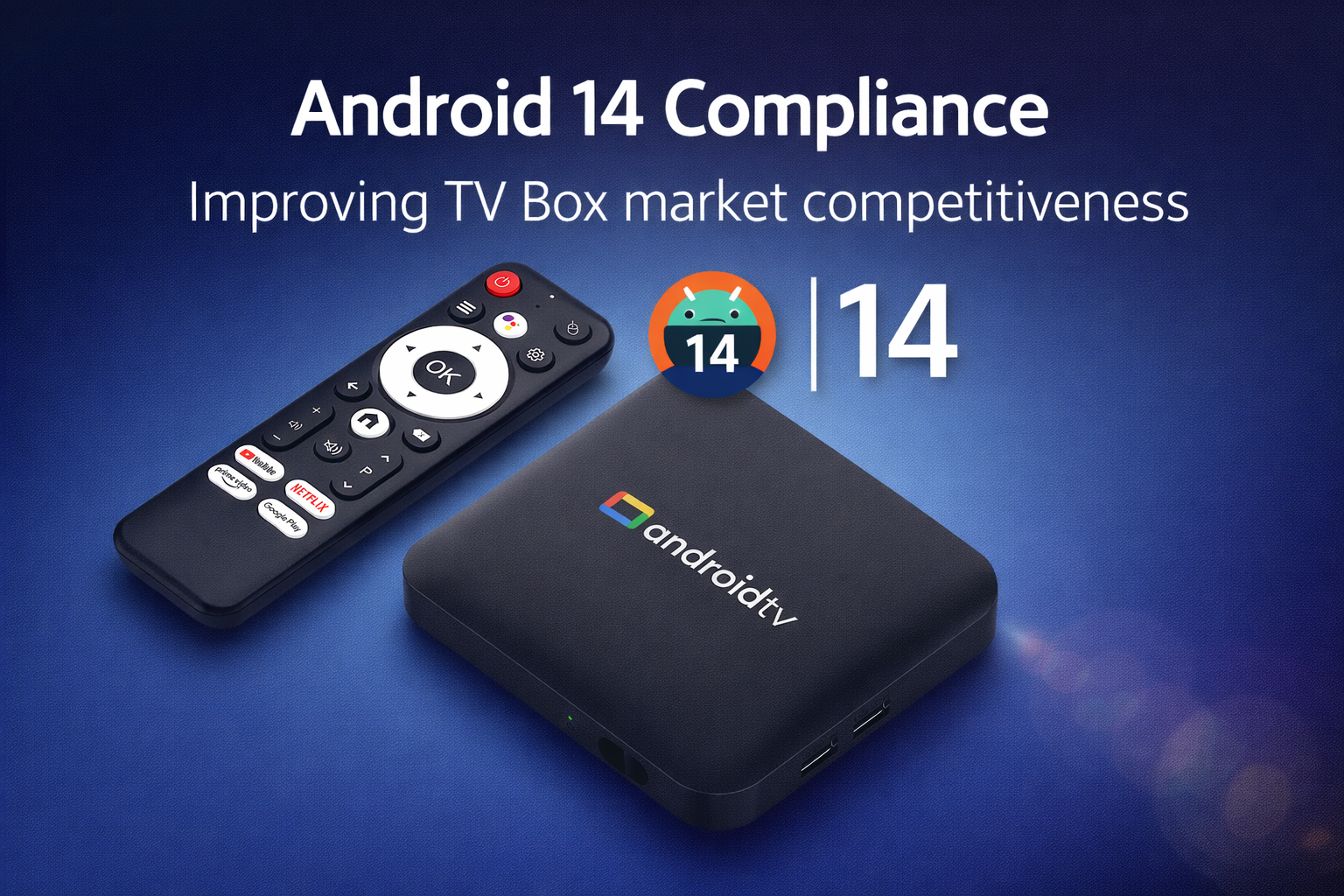
Impact of Android 14 and 15 on TV Box Manufacturers: Opportunities and Costs
Introduction: The Importance of OS Evolution for Android TV Box Manufacturer
For every Android TV Box Manufacturer, the rapid evolution of operating systems such as Android 14 TV Box and Android 15 TV Box brings both exciting opportunities and unavoidable challenges. The adoption of new Android TV OS upgrade versions shapes product compatibility, customer satisfaction, and industry leadership. Manufacturers now face a pivotal question: is embracing Android 14 and 15 primarily an opportunity for innovation, or a burden of increased cost and complexity?
Understanding the Significance of Android 14 and 15
The release of Android 14 TV Box and Android 15 TV Box signals major shifts for the Android TV ecosystem. Upgrades promise improved security, enhanced user experiences, and broader compatibility, but require Android TV Box Manufacturer teams to review hardware resources, firmware integration, and software stability. Early adopters can position their products at the forefront of technology, but the transition also brings technical and financial hurdles.
Key Opportunities with Android TV OS Upgrade
Adopting the latest Android TV OS upgrade gives Android TV Box Manufacturer firms a competitive edge. The new versions enable better app performance, improved streaming capabilities, and smoother firmware update processes. Notably, the increased focus on Android TV Box compatibility ensures that devices can work seamlessly with a wider range of applications and streaming platforms, reducing fragmentation and support costs over time.
Enhanced Security and Compliance Standards
Security is central to the Android 14 TV Box and Android 15 TV Box releases. Enhanced data encryption, secure boot processes, and strict compliance requirements mean Android TV Box Manufacturer organizations must revisit their device certification strategies. Manufacturers able to align with these standards position themselves as reliable industry partners, especially in global B2B markets.
Firmware Update and Maintenance Challenges
Firmware update demands will increase for every Android TV Box Manufacturer embracing Android 14 and 15. While new APIs and developer tools simplify certain tasks, the growing complexity of Android TV Box firmware update management is undeniable. Coordinating timely and reliable updates across a product portfolio requires dedicated resources and clear communication between hardware, software, and support teams.
Android TV Box Compatibility: Navigating Legacy Devices
The push for Android TV Box compatibility also presents backward-compatibility challenges. Supporting legacy hardware with modern Android TV OS upgrade features can add to support costs. Android TV Box Manufacturer decision-makers must strategically assess which product lines receive full Android 14 TV Box and Android 15 TV Box support, balancing customer retention with resource constraints.
Is Android 15 Good for TV Box Manufacturers? A Deep Dive
The long-tail question, "Is Android 15 good for TV Box manufacturers?" deserves detailed consideration. For most Android TV Box Manufacturer stakeholders, Android 15 TV Box means access to the newest developer APIs, improved streaming standards, and the possibility to differentiate through unique features. Yet, development costs and compliance with rigorous testing protocols must not be underestimated. The full benefits hinge on efficient integration and robust quality assurance workflows.
Benefits of Android 14 for Android TV Box: Real-World Value
There are clear benefits of Android 14 for Android TV Box manufacturers. Key advantages include faster boot times, extended hardware compatibility, and streamlined update cycles. The OS’s modular architecture allows an Android TV Box Manufacturer to implement new features with less risk of disrupting stability. Ultimately, these improvements enhance end-user satisfaction and help build brand loyalty.
Strategic Recommendations for Manufacturers
To succeed, Android TV Box Manufacturer organizations should create flexible development pipelines for Android TV Box firmware update deployment, foster strong partnerships with chipset vendors, and invest in continuous staff training on Android TV OS upgrade technologies. By proactively preparing for Android 14 TV Box and Android 15 TV Box, manufacturers can manage costs while seizing new market opportunities.
Conclusion: Embracing Change, Capturing Value
Android TV Box Manufacturer teams stand at the threshold of opportunity and risk. Android 14 TV Box and Android 15 TV Box can be catalysts for product excellence if adopted strategically. The future belongs to manufacturers that invest in firmware update readiness, compatibility assurance, and user-centric innovation. Embracing these changes is not just a matter of cost, but a pathway to sustainable growth in the Android TV Box sector.
READ MORE
Why Overseas Buyers Hate Modified Android TV Boxes – And Why AOSP Is a Safer Choice
Has Widevine L1 Become the Global Standard? Which Countries Still Don’t Care?
Where Non-Certified Android TV Boxes Still Thrive Without Netflix or Google
2026 Android TV vs Google TV: Which Is Better for Android TV Box OEM & Private Label Business?
4GB+32GB vs 4GB+64GB: Do Overseas Users Really Care About Storage?
Can 2GB RAM Android TV Boxes Still Be Sold in 2026? Key Markets and Regulatory Changes
RK3566 vs RK3588: Is High-End Performance Unnecessary in TV Boxes?
S905X4 and S905Y4 Successors: What’s the Next Generation Profitable Android TV Box Chipset?
2026 Overseas Android TV Box Chipset Landscape: Can Amlogic Still Lead, and Is Allwinner Underrated?
Quick Links

.png "Watch H96 Max Android TV Box reviews on our YouTube channel")

.png "Explore H96 Max product photos on Instagram")