.png "H96 Max Android TV Box video reviews and tutorials on YouTube")
.png "H96 Max Android TV Box photos and lifestyle shots on Instagram")



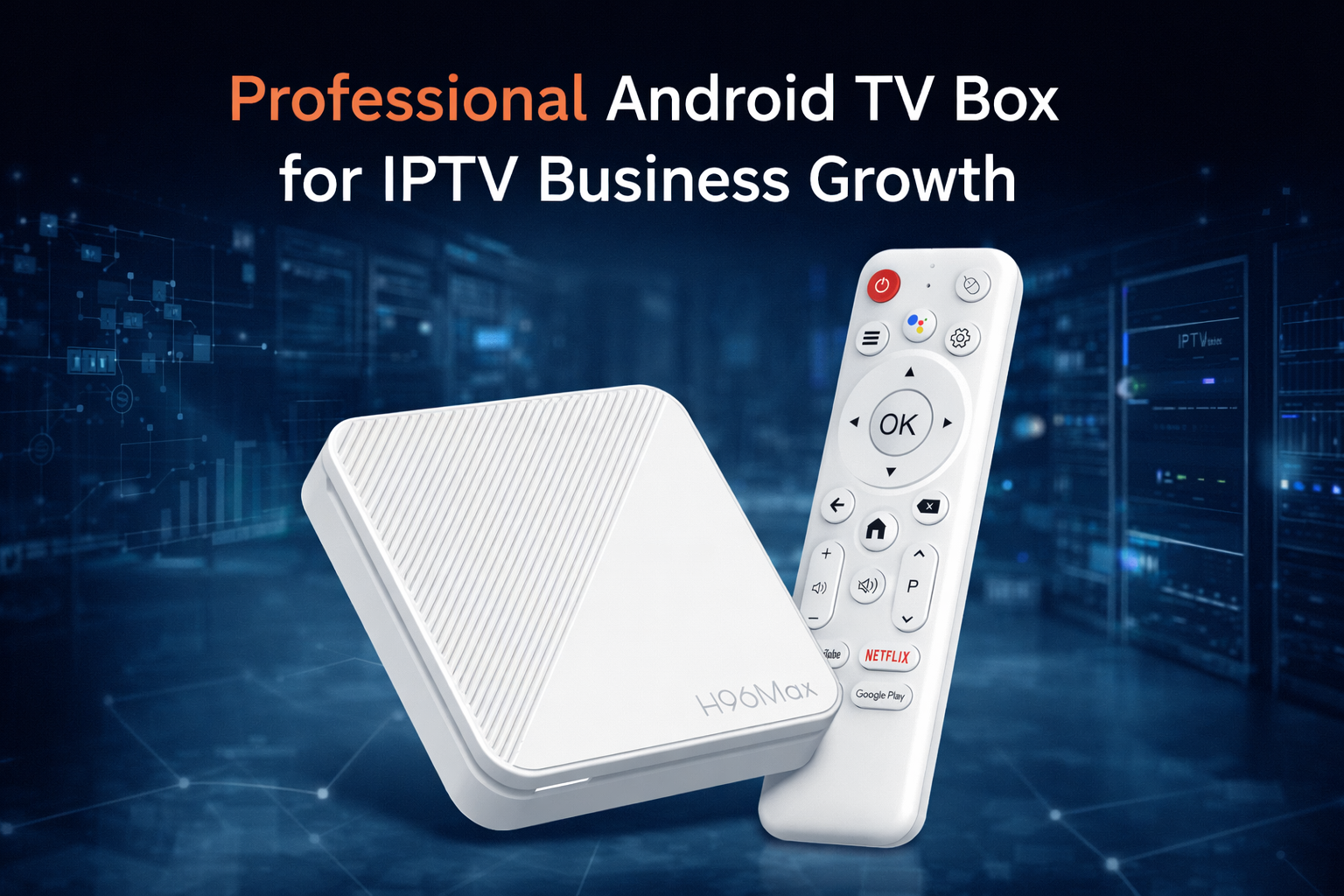
Strategic Architecture of Operator-Grade IPTV Device Ecosystems
For modern carriers facing intense competition from OTT platforms and agile digital entrants, deploying a Custom Android TV Box for IPTV Operators is no longer a hardware decision but a strategic infrastructure choice. As broadband penetration increases and video consumption shifts to IP networks, operators must control user experience, content distribution, service stability, and brand visibility at the device level. A deeply customized device strategy enables telecom providers to transform a simple terminal into a managed service node that supports monetization, retention, analytics, and long-term ecosystem expansion.
Why Generic Devices Fail in Operator Environments
Off-the-shelf retail boxes are designed for end users, not managed networks. They prioritize app freedom over service control and rapid market entry over lifecycle reliability. Telecom operators, however, require centralized management, predictable firmware behavior, security compliance, and long support cycles. Industry analysts from firms such as Omdia and Dataxis have consistently reported that operators retaining control of the customer premises equipment experience lower churn and higher ARPU compared to those relying on unmanaged third-party devices. This is largely because the terminal defines the first-screen experience, service discoverability, and performance perception.
An Android TV Box for Telecom Operators must therefore integrate tightly with middleware, CAS/DRM systems, subscriber management platforms, and network monitoring tools. A standard retail IPTV Android TV Box typically lacks such integration layers. Without customization, operators lose UI control, data feedback channels, and upgrade authority, which weakens service differentiation.
Exclusive Launcher and UI: Control of the First Screen
The home interface is not a cosmetic layer; it is a revenue gateway. Research published by leading UX institutes shows that users form service quality judgments within seconds of interacting with a TV interface. An exclusive launcher designed under a Custom IPTV Set Top Box framework allows operators to prioritize subscription packages, featured channels, VOD catalogs, and promotional banners.
Unlike generic Android builds, a custom launcher eliminates unauthorized app prominence and prevents user interface fragmentation. It ensures brand consistency across regions and customer tiers. From a technical perspective, a tailored UI also reduces background process conflicts, improving memory allocation efficiency and long-session responsiveness. For large-scale deployments, this contributes to measurable reductions in service complaints.
APP Pre-installation and Content Integration
Content partnerships define IPTV competitiveness. Operators often negotiate exclusive sports, regional broadcasting rights, or bundled OTT subscriptions. A well-designed Custom Android TV Box for IPTV Operators enables secure pre-installation of certified applications, direct API integration with content platforms, and unified billing systems.
Media technology reports indicate that integrated billing and single-sign-on environments increase subscription conversion rates compared to redirect-based app ecosystems. From an engineering standpoint, pre-installed apps can be optimized at firmware level, reducing startup latency and buffering inconsistencies. This is particularly important for 4K live streaming where latency tolerance is minimal.
An experienced IPTV Set Top Box Manufacturer understands how to balance open Android architecture with controlled service environments. By embedding system-level permissions and disabling unauthorized firmware modifications, operators maintain ecosystem integrity while still benefiting from Android flexibility.
Remote Management and System Upgrade Authority
Operational scalability depends on centralized control. A robust Custom Android TV Box for IPTV Operators should support remote device management protocols, OTA firmware upgrades, log feedback systems, and batch configuration tools. According to GSMA infrastructure studies, remote firmware capability reduces maintenance cost per subscriber by lowering on-site service requirements.
Through a structured Android TV Box OEM Solution for IPTV Operators, telecom providers can implement staged rollout updates, security patch enforcement, and feature expansion without physical recalls. This capability is essential when addressing codec updates, DRM changes, or vulnerability fixes. Security researchers repeatedly emphasize that unmanaged Android endpoints are common targets for malware injection; controlled OTA architecture significantly mitigates such risks.
Stable Video Decoding and Hardware Architecture
Video performance remains the most visible indicator of service quality. International streaming reports show that viewers abandon streams within seconds when buffering occurs. Therefore, chipset selection, GPU optimization, and memory configuration are critical engineering considerations.
An operator-grade IPTV Android TV Box must support stable 4K decoding, HDR processing, and efficient HEVC or AV1 handling where applicable. Thermal management design also directly impacts decoding stability. Continuous high-bitrate streaming generates sustained processing load; without adequate heat dissipation, frame drops and throttling occur. A reliable OEM Android TV Box designed for telecom-grade deployment incorporates optimized PCB layout, certified power management ICs, and long-duration stress testing.
In markets transitioning to fiber broadband, expectations for UHD performance continue to rise. Operators deploying an advanced Custom Android TV Box for IPTV Operators gain greater assurance that video quality matches network capability.
Long-Term Operation and 24/7 Stability
Unlike consumer devices that operate intermittently, operator boxes frequently remain powered for extended periods. Hospitality projects, multi-dwelling units, and family households often keep IPTV services active daily. Hardware endurance testing, aging procedures, and firmware optimization therefore become mandatory.
Engineering best practices include 72-hour or longer aging tests, memory leak detection, and power fluctuation simulations. Quality control data published across the electronics manufacturing sector consistently demonstrates that structured aging processes reduce early failure rates. An experienced IPTV Set Top Box Manufacturer integrates these steps within mass production, ensuring consistency across bulk shipments.
When designing a Custom IPTV Android Set Top Box for Telecom Providers, component selection—such as eMMC reliability grades and WiFi module stability—directly influences lifecycle performance. Reduced return rates translate into lower operational expenditure and improved subscriber satisfaction.
Brand Customization and Market Identity
Telecom operators compete not only on service bundles but also on perceived professionalism. Device branding reinforces trust. Customization extends beyond firmware to physical identity: logo printing, boot animation, customized remote controls, and retail packaging aligned with corporate guidelines.
Market studies in consumer electronics branding show that cohesive visual identity strengthens recall and perceived service legitimacy. Through a structured OEM Android TV Box collaboration, operators ensure that every device reflects their network authority. This strengthens channel partnerships and distributor confidence.
Data Feedback and Ecosystem Intelligence
Device-level analytics enable service optimization. Controlled firmware allows operators to gather anonymized performance metrics, usage frequency data, and crash logs. These insights inform bandwidth planning, content acquisition strategies, and UI refinements.
A mature Custom Android TV Box for IPTV Operators architecture integrates diagnostic APIs without compromising user privacy standards. Regulatory compliance frameworks in Europe and other regions emphasize transparent data handling; customization ensures alignment with such requirements while preserving analytical value.
Strategic Value of an Integrated OEM Partnership
Developing a carrier-grade solution requires coordinated hardware design, firmware engineering, certification management, and production scalability. A structured Android TV Box OEM Solution for IPTV Operators unifies these processes under one technical roadmap. From CE and FCC compliance to RoHS environmental standards, certification planning must be synchronized with hardware architecture from the earliest stages.
Ultimately, the objective is not simply to deliver a device but to establish a controllable digital service gateway. Operators implementing a well-designed Custom Android TV Box for IPTV Operators gain UI authority, content integration depth, upgrade flexibility, hardware endurance, and brand consistency. In a market where differentiation determines subscriber loyalty, device strategy becomes network strategy.
For operators evaluating long-term deployment frameworks or planning next-generation IPTV expansion, structured collaboration with an experienced manufacturing partner can streamline execution. H96 Max, as a source factory with integrated development and production capability, supports customized operator-grade solutions aligned with evolving telecom requirements.
READ MORE
The Strategy Behind Building a Best-Selling Android TV Box for Amazon
Custom Branded Android TV Box Solutions for the Middle East Market
Custom Android TV Box Solutions for Advertising Media Companies
Hotel-Dedicated Android TV Box Solution for Hospitality Systems
How Cross‑Border Sellers Build Their Own Streaming Device Brand?
Quick Links

.png "Watch H96 Max Android TV Box reviews on our YouTube channel")

.png "Explore H96 Max product photos on Instagram")