.png "H96 Max Android TV Box video reviews and tutorials on YouTube")
.png "H96 Max Android TV Box photos and lifestyle shots on Instagram")



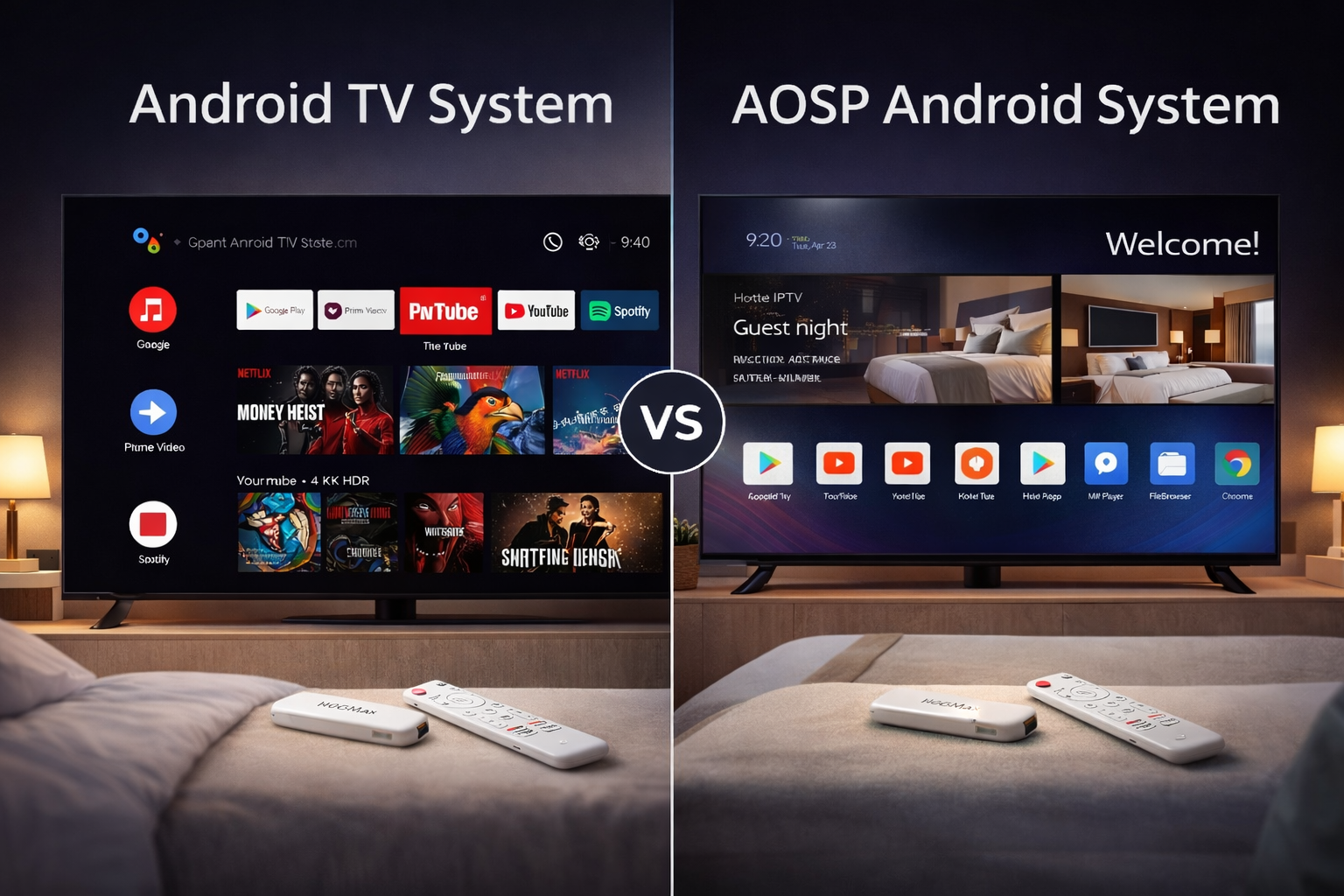
Android TV vs AOSP Differences: How to Optimize Your Smart TV Box for Home Cinema
Choosing the right smart TV operating system can make or break your home cinema experience. One of the key decisions for streaming fans is understanding Android TV vs AOSP Differences. The right OS for your Android TV Box impacts everything from streaming quality to ease of use, app support, and long-term reliability. This guide explores the strengths, weaknesses, and practical details of each system so you can confidently select the best fit for your living room or family theater setup.
Official Android TV: Seamless Experience and Certified Streaming
Android TV is the version officially developed and maintained by Google for the TV screen. Certified Android TV Box models running this OS offer robust app compatibility, access to exclusive streaming platforms, and built-in Google services. You can expect:
Google Play Store apps designed for big screens
Seamless integration with Google Assistant for hands-free search and smart home controls
Guaranteed compatibility with Netflix, Disney+, Prime Video, and more at HD or 4K resolutions
Regular system and security updates pushed directly by Google
This means Android TV delivers a polished, stable, and reliable experience for both casual viewers and home cinema enthusiasts. If plug-and-play convenience is your priority, official Android TV Boxes lead the way.
AOSP: Customization, Flexibility, and Open-Source Power
AOSP (Android Open Source Project) is the foundation of Android TV, but it’s used mostly by manufacturers who want to customize or offer budget Smart TV Box alternatives. AOSP brings flexibility and wider app support, but also some trade-offs:
Ability to sideload almost any Android app—not just those in the TV Play Store
Freedom to modify or “root” the OS for advanced tweaks, making it attractive for power users
Lower cost compared to fully certified Android TV Box models
Possible gaps in streaming quality, DRM support, and automatic app updates
For tech-savvy users who like to tinker and customize, AOSP-powered devices can be appealing. However, the trade-off is that you may not always get the same smooth experience as you would with an official Android TV Box.
User Interface & Navigation: A Comparison
One of the main Android TV vs AOSP Differences is the user interface. Android TV features a TV-optimized, remote-friendly layout, while AOSP often mirrors a tablet or phone UI. The result? Android TV Boxes with Google certification deliver:
Rows of recommended content, trending titles, and favorite apps front and center
Intuitive navigation, optimized for living room TV remote controls
Unified voice search for apps, shows, and smart home devices
AOSP’s generic Android layout may be less intuitive, especially for families or users new to smart TV platforms. It may require more clicks to find content, and some apps aren’t fully optimized for remote use.
Streaming Quality and App Compatibility
Streaming is where the rubber meets the road. Android TV Boxes running the official OS support HD and 4K streaming on certified apps, with DRM support for Netflix, Prime Video, and more. AOSP boxes can access a huge library of apps, but many won’t play at full resolution or may lose access to streaming updates over time. For those seeking the best home cinema streaming experience, Android TV is the safer choice.
Updates, Support, and Longevity
Another significant difference: Android TV gets regular updates from Google, enhancing security and adding new features. AOSP boxes rely on manufacturer support, which can be inconsistent. If future-proofing is important—especially with new streaming standards emerging—choose a certified Android TV Box.
Smart Home Integration and Voice Control
Smart homes rely on seamless integration. Android TV shines here, offering full compatibility with Google Assistant, smart speakers, lights, and thermostats. AOSP may allow basic assistant functions, but lacks the full suite of integrations and security controls present in Android TV Boxes.
Gaming and Performance Considerations
Both systems offer access to games, but Android TV’s official support for Bluetooth controllers, Google Play Games, and cloud gaming (like GeForce NOW) is a step ahead. AOSP allows sideloading and emulation for retro gaming, but app stability can be an issue. For the best balance of performance, a certified Android TV Box remains a strong pick.
Choosing What’s Right for Your Family Theater
In summary, Android TV vs AOSP Differences are all about priorities. If you want easy setup, long-term stability, and the best streaming quality, opt for a certified Android TV Box. If you’re willing to trade some reliability for customization and budget, AOSP could be your gateway to endless smart TV box experiments. Evaluate your needs—family, streaming habits, and future plans—to make the best choice for your home cinema setup.
READ MORE
Quick Links

.png "Watch H96 Max Android TV Box reviews on our YouTube channel")

.png "Explore H96 Max product photos on Instagram")