.png "H96 Max Android TV Box video reviews and tutorials on YouTube")
.png "H96 Max Android TV Box photos and lifestyle shots on Instagram")



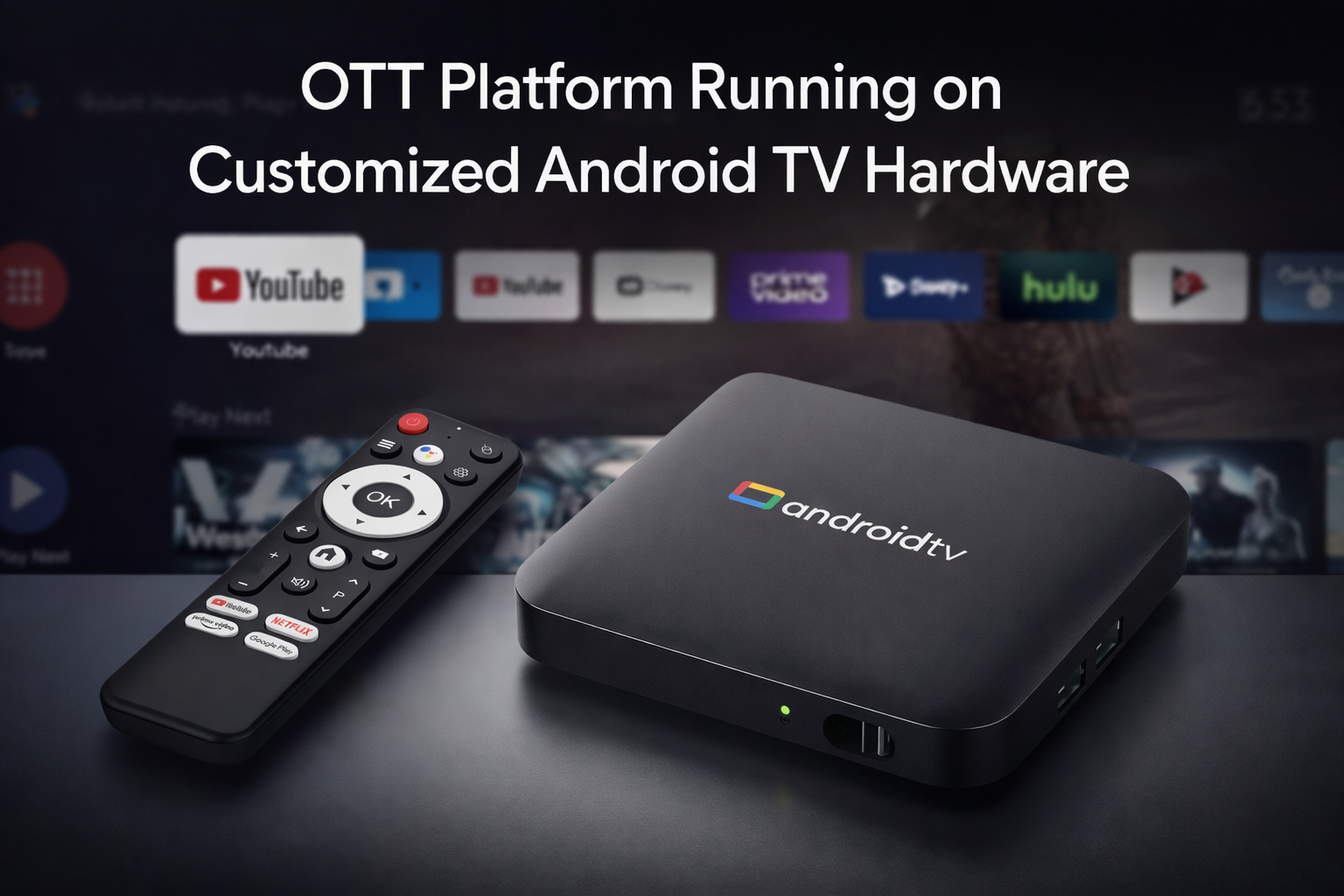
Why OTT Platforms Are Customizing Android TV Devices
The global OTT video industry is becoming increasingly competitive as streaming platforms compete for attention, retention, and subscription revenue. According to reports from Statista and Digital TV Research, global OTT video subscriptions are projected to exceed 2 billion users in the coming years. As competition grows, many operators are realizing that software alone is not enough to deliver a controlled and scalable streaming ecosystem. This is where Android TV Box OEM strategies become critical. By customizing hardware and system-level features, OTT providers can build a tightly integrated viewing environment that improves user engagement, strengthens brand identity, and provides better operational control over devices and services.
For OTT platforms, relying only on generic streaming devices or third‑party smart TVs often leads to limited control over the interface, fragmented user experiences, and reduced data visibility. Customized Android TV hardware allows platforms to control the entire viewing environment from the moment the device boots up. With an Android TV Box OEM approach, OTT companies can integrate their services directly into the system layer, ensuring smoother onboarding, stronger brand presence, and better performance optimization.
The Strategic Value of Dedicated OTT Hardware
One of the most important advantages of deploying a dedicated device is the ability to build a platform‑centric ecosystem. Research from Parks Associates shows that OTT services with their own branded devices often achieve higher user engagement and longer viewing sessions. Hardware allows platforms to control system behavior, recommendation algorithms, and content presentation in ways that standard app distribution models cannot.
Through a Custom Android TV Box, OTT providers can pre‑configure the operating system, remove unnecessary applications, and ensure that their streaming services are always the primary experience on the device. This reduces user friction and improves subscription conversion rates. Instead of competing with dozens of apps on a smart TV interface, the OTT platform becomes the central entertainment gateway.
Building a Branded Launcher and User Interface
User interface design plays a significant role in content discovery and subscriber retention. Many OTT operators invest heavily in recommendation algorithms and curated content presentation, but these advantages can be diluted when running inside a generic TV environment.
With an Android TV Box OEM model, platforms can create a fully branded launcher and UI environment. The launcher can prioritize recommended content, highlight subscription packages, or promote exclusive programming. The home screen becomes a marketing channel rather than simply a navigation menu.
For example, a platform can integrate dynamic banners, AI‑based recommendations, and region‑specific content rows directly into the launcher interface. This approach mirrors the strategy used by major global streaming brands that aim to control the entire viewing funnel—from the device boot screen to content playback.
Pre‑installed Applications and Faster User Onboarding
One challenge for OTT services distributed through app stores is onboarding friction. Users must install the application, create an account, and complete payment processes before accessing content. Each step introduces potential drop‑off.
A dedicated Android TV Box OEM deployment allows the OTT application to be pre‑installed and deeply integrated into the system. When users power on the device, they can be guided directly into the registration or activation process. This significantly shortens the path from device purchase to subscription activation.
This type of integration is commonly used in an IPTV Android TV Box environment where telecom operators bundle devices with subscription packages. By simplifying the onboarding experience, OTT providers can improve conversion rates and reduce customer acquisition costs.
Subscription Integration and Account Ecosystems
Another major advantage of customized devices is the ability to integrate account systems directly into the device environment. With the right OTT TV Box Solution, authentication, subscription status, and billing integrations can operate at the system level.
This means the device can automatically recognize active subscribers, restore accounts after factory resets, and synchronize viewing preferences across devices. Operators can also integrate telecom billing systems, enabling bundled subscription models that combine internet services with video streaming packages.
For large‑scale operators, this level of integration improves operational efficiency while providing a seamless experience for subscribers.
Remote Device Management and OTA Updates
Managing thousands or even millions of devices in the field requires robust device management capabilities. Through an Android TV Box ODM or manufacturing partnership, OTT providers can implement remote device management platforms that monitor performance, push updates, and resolve issues without requiring manual intervention.
OTA (Over‑the‑Air) upgrades allow platforms to deploy firmware updates, introduce new features, and patch security vulnerabilities across the entire device fleet. According to industry analysts, OTA management can reduce maintenance costs by more than 40 percent for large device ecosystems.
Remote monitoring also allows operators to diagnose playback issues, network instability, or application crashes. This visibility significantly improves service reliability.
Data Analytics and User Behavior Insights
One of the most powerful advantages of a dedicated streaming device is data visibility. OTT platforms depend on analytics to understand viewer behavior, content performance, and subscription patterns. Generic devices often limit access to system‑level insights.
A customized Android TV Box OEM environment allows deeper data collection across the entire user journey. Operators can analyze boot behavior, navigation patterns, search activity, and playback statistics. These insights help improve recommendation algorithms and guide content investment decisions.
For example, analytics may reveal that viewers abandon certain menus or struggle to discover new content categories. Product teams can then adjust interface design and recommendation placement accordingly.
Why OTT Providers Explore Hardware Customization
Industry experts increasingly view hardware customization as a strategic advantage rather than simply a distribution tool. As streaming platforms scale globally, device fragmentation becomes a challenge. Different television brands, operating systems, and performance levels can create inconsistent experiences.
Learning How to customize Android TV box for OTT platform deployment allows operators to standardize performance, optimize decoding capabilities, and maintain consistent application behavior across markets.
An integrated Android TV box OEM solution for IPTV and OTT providers ensures that hardware, firmware, and applications are optimized together. This alignment improves streaming stability, reduces buffering, and ensures reliable playback even under varying network conditions.
From a strategic perspective, dedicated hardware also strengthens brand recognition. When users interact with a branded device daily, the platform becomes part of their living‑room ecosystem rather than simply another application.
The Role of Manufacturing Partnerships
Delivering a customized device requires collaboration with experienced hardware partners. An established Android TV Box Manufacturer can support chipset selection, firmware development, launcher customization, and certification requirements for global markets.
Manufacturers experienced in Android TV Box OEM production also help ensure long‑term supply stability, quality control, and regulatory compliance. This is particularly important for telecom operators or regional OTT services deploying devices at scale.
As OTT competition intensifies, many platforms are exploring device‑driven strategies to differentiate their services and build stronger user relationships.
Looking Ahead: Devices as the Next OTT Growth Channel
The OTT market continues to evolve beyond pure software distribution. Platforms increasingly recognize that owning the user interface, device environment, and data pipeline provides long‑term strategic advantages.
Customized streaming hardware enables OTT companies to shape the entire viewing experience—from device activation and interface design to subscription management and analytics. In a competitive streaming landscape, this level of control can significantly influence user retention and platform growth.
For OTT operators evaluating hardware strategies, collaborating with an experienced manufacturing partner can accelerate development and reduce technical barriers. If your platform is exploring device‑level streaming strategies or planning large‑scale deployments, consider working with a specialized OEM partner. Partner with H96 Max today to explore how customized Android TV hardware can support the next stage of OTT platform growth.
READ MORE
How Can Enterprises Build an Internal TV System Using Android TV Boxes?
How Can Education Platforms Build a Teaching System Using an Android TV Box?
How to Build an Advertising Playback Network Using an Android TV Box?
How Telecom Operators Customize Android TV Box Systems for IPTV Platforms?
How to Build a Profitable IPTV Business with Android TV Box?
How Amazon Sellers Build a Profitable Private Label Android TV Box Brand?
How to Start a Profitable Android TV Box Distribution Business?
How to Start a Profitable IPTV Box Business in Africa: A Practical Market Guide
Quick Links

.png "Watch H96 Max Android TV Box reviews on our YouTube channel")

.png "Explore H96 Max product photos on Instagram")