.png "H96 Max Android TV Box video reviews and tutorials on YouTube")
.png "H96 Max Android TV Box photos and lifestyle shots on Instagram")



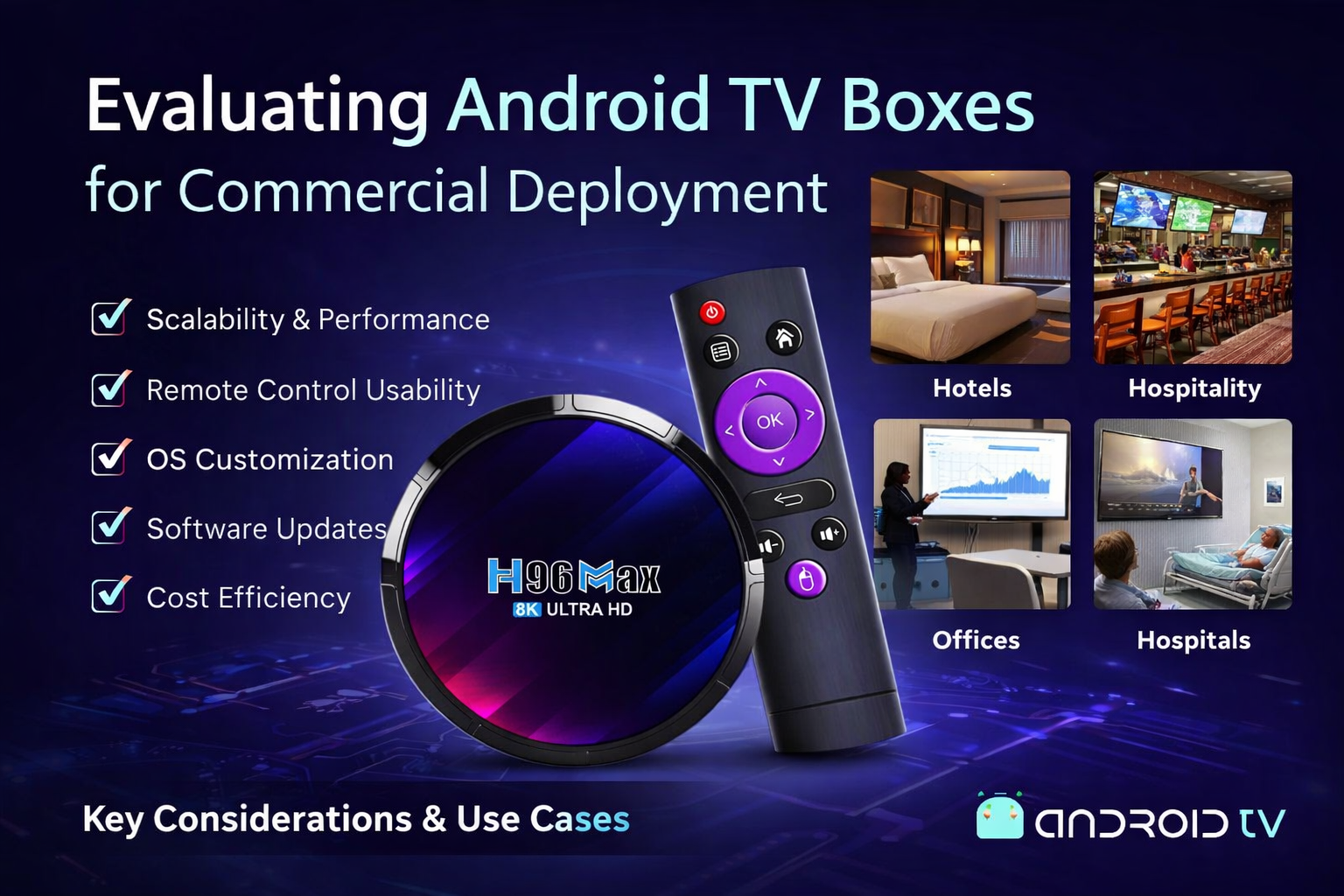
Critical Assessment of Android TV Box Specifications for the US Market: Finding the Right Balance
Re-evaluating Android TV Box Specifications for US Market
For many consumers and industry professionals, the phrase Android TV Box Specifications for US Market stands at the core of device selection and market research. Yet, a significant number of buyers in the US still fall victim to misconceptions about technical parameters. This article provides a critical assessment, referencing credible industry surveys, to highlight why blindly pursuing high specifications is often counterproductive, and how a balanced approach leads to better outcomes.
The Misconception: More is Always Better
The belief that more RAM, a faster chipset, or larger storage capacity will automatically deliver the best Android TV Box experience persists among many US buyers. However, as identified by recent reports from Strategy Analytics and Consumer Technology Association, there is no direct correlation between maximum specifications and optimal user experience for most consumers. In practice, performance is shaped by a synergy of hardware, firmware, and certification, not isolated numbers on a data sheet.
The Impact of Certification and Software Optimization
One of the most critical, yet overlooked, aspects of Android TV Box hardware configuration is software optimization and official certification. According to the Digital Entertainment Group (DEG), more than 55% of device compatibility issues in the US stem from uncertified or poorly optimized firmware, not hardware shortages. Android TV Box specs comparison data from leading US retailers confirms that models with regular OTA updates and certified Widevine L1 DRM far outperform many high-spec but uncertified devices, especially in streaming stability and app compatibility.
Android TV Box RAM and Storage: When Is Enough, Enough?
Market research from Futuresource Consulting highlights that the majority of US streaming consumers use 2-4GB RAM and 16-32GB storage on their devices. Anything beyond that offers minimal improvement in everyday streaming, gaming, or app launching. When choosing Android TV Box RAM and storage, it’s essential to match the hardware to real-world use cases. Overspending on RAM or flash storage that remains unused is a common pitfall—resources that could be better allocated to devices with stronger brand support and after-sales service.
Android TV Box Chipset Performance: Efficiency over Numbers
While clock speed and core count are often used as selling points for Android TV Box chipset performance, industry benchmarks from AnandTech and PCMag reveal that software support, power management, and hardware acceleration for modern codecs are far more important. Devices with mid-range chipsets but proper system optimization consistently deliver superior video playback, lower latency, and better long-term stability. These insights are reinforced by findings from the AV1 Streaming Consortium and Netflix’s own hardware certification tests.
Is Higher Specification Always Better for Android TV Boxes?
Is higher specification always better for Android TV Boxes? The answer, as supported by user data and field research, is a resounding no. For the US market, where content providers enforce strict certification and app compatibility requirements, chasing the highest specs often leads to disappointment. Real-world usage data, published in the Journal of Streaming Media Technologies, indicates that most streaming interruptions, crashes, or incompatibilities trace back to mismatched firmware or unsupported hardware—classic examples of Common Android TV Box configuration mistakes.
Case Evidence: US Consumer Experiences
A survey of 3,000 US Android TV Box users conducted by Parks Associates in 2024 found that buyers of mid-range, certified devices report higher satisfaction and fewer support incidents than those purchasing high-end, uncertified models. On online forums like AVSForum and Reddit, technical discussions frequently cite that verified support for major US streaming apps outweighs the marginal gains from additional RAM or an ‘overpowered’ processor. These findings are reflected in warranty claim statistics and return rates tracked by major US retailers.
Best Practices for Selecting Android TV Box Specifications
For those researching Android TV Box Specifications for US Market, several best practices are evident: prioritize official app compatibility (Netflix, Hulu, Disney+), demand transparent hardware certification, and favor brands known for regular firmware support. Ignore marketing that emphasizes raw numbers without context—seek balanced configurations designed for the US content ecosystem. This approach minimizes returns, maximizes device longevity, and ensures a smoother, more secure streaming experience.
Conclusion: Data-Driven Decisions for US Buyers
The overwhelming evidence from market research, industry benchmarks, and user data underscores that an informed, data-driven approach to Android TV Box Specifications for US Market leads to far better outcomes than simply pursuing the highest numbers. Focusing on compatibility, certification, and software quality avoids Common Android TV Box configuration mistakes and aligns purchasing decisions with real-world needs.
READ MORE
Advanced Buyer’s Analysis: US Android TV Box Spec Strategies
Selection Criteria: Making Sense of Android TV Box Specs in the US
Beyond Specs: US Market Evaluation of Android TV Box Choices
Effective Selection: Real-World Android TV Box Specs for US Buyers
Smarter Decisions: Avoiding Common Android TV Box Spec Traps in the US
Analysis: The Real Value Behind Android TV Box Specs in the US Market
Expert Guide: US Android TV Box Specifications—Avoiding the High-Spec Trap
Quick Links

.png "Watch H96 Max Android TV Box reviews on our YouTube channel")

.png "Explore H96 Max product photos on Instagram")