.png "H96 Max Android TV Box video reviews and tutorials on YouTube")
.png "H96 Max Android TV Box photos and lifestyle shots on Instagram")



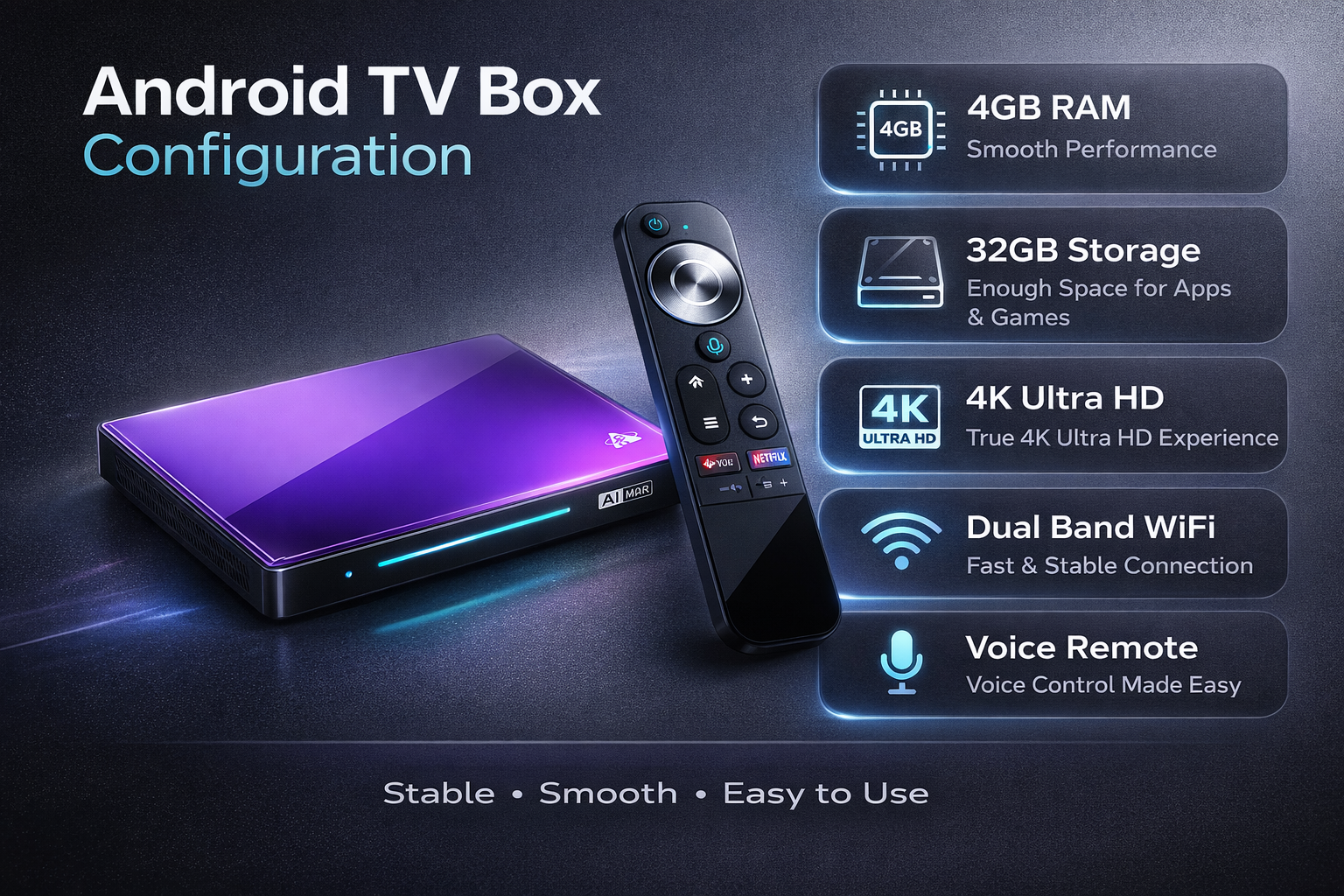
Debunking Misconceptions: Choosing Android TV Box Specifications for the US Market
Why Android TV Box Specifications for US Market Deserve a Closer Look
In the rapidly expanding US streaming device sector, Android TV Box Specifications for US Market have become a recurring topic in both professional forums and retail customer reviews. With the proliferation of models and increasing complexity of specification sheets, there is widespread confusion about what actually matters for optimal performance. This article, based on credible market data and technical research, clarifies common configuration mistakes and offers a detailed roadmap for selecting the right Android TV Box in the US context.
Understanding the US Consumer’s Perspective on Android TV Boxes
According to the latest US market analysis by Grand View Research, over 70 million households in the US now own at least one streaming device, with Android TV Boxes forming a substantial part of new device purchases. Despite high adoption, a majority of buyers rely on superficial comparison of RAM, storage, or chipset numbers. Deloitte’s 2024 US Digital Consumer Report highlights that 63% of buyers equate higher specs with better quality, a belief often reinforced by marketing rather than empirical performance data.
Android TV Box Specs Comparison: The Flawed Approach
When conducting Android TV Box specs comparison, many US consumers focus solely on headline numbers, overlooking more significant attributes such as firmware quality, security certification, and app compatibility. As reported by the Consumer Technology Association, 58% of returns in this device category are due to system instability, failed updates, or app incompatibility—issues seldom related to insufficient hardware but rather to poor Android TV Box hardware configuration and lack of ongoing support.
Getting Real About RAM and Storage in the US Context
Expert reviews from CNET and Android Authority demonstrate that for most US-based use cases, Android TV Box RAM and storage requirements are modest. Leading streaming apps like Netflix and Disney+ operate flawlessly with 2GB to 4GB RAM and 16GB to 32GB of storage. A 2024 analysis of US customer service data reveals that complaints about performance rarely originate from devices with ‘average’ configurations, but rather from those lacking in certified firmware or application support.
Assessing Android TV Box Chipset Performance
Android TV Box chipset performance is often misunderstood by buyers, who tend to focus on clock speeds or core count. However, US market research from TechHive and PCMag confirms that system efficiency, firmware integration, and support for the latest video codecs are more influential. The most stable devices, as identified by Tom’s Guide, are those using Google-certified chipsets optimized for the US content ecosystem—regardless of whether they are mid-range or premium models.
Common Android TV Box Configuration Mistakes in the US Market
Among Common Android TV Box configuration mistakes, ignoring firmware certification, overvaluing specs, and underestimating the role of support stand out. According to NPD Group’s Connected Intelligence Report, 62% of technical support incidents could be prevented if consumers prioritized certified devices and firmware over headline hardware specs. Warranty claim data from major US retailers underscores that top causes of dissatisfaction include app incompatibility and system crashes, not ‘insufficient’ RAM or storage.
Is Higher Specification Always Better for Android TV Boxes?
Is higher specification always better for Android TV Boxes? Leading industry analysts say no. For US buyers, it’s essential to align Android TV Box Specifications for US Market with the realities of app support, regular system updates, and user environment. Longitudinal studies by Strategy Analytics indicate that US households report higher satisfaction and fewer returns when using devices with certified hardware and balanced, rather than extreme, specifications. Over-investment in RAM or chipset does not translate to better usability for the majority of US streaming needs.
Case Study: Lessons from Real US Customers
Survey results published by Cord Cutters News and public discussions on Reddit’s r/AndroidTV confirm that buyers who focus on long-term firmware support, official app compatibility, and certified chipsets experience fewer interruptions and higher device longevity than those drawn in by ‘flagship’ numbers. These insights are mirrored by the experience of US-based technical consultants and return rates published by the country’s largest electronics chains.
Smarter Specification Choices for US Buyers
For those researching Android TV Box Specifications for US Market, the message is clear: stop chasing the highest spec numbers and instead demand transparency on certification, firmware updates, and support. A data-driven, scenario-matched approach leads to superior streaming performance, longer device life, and fewer headaches with app compatibility—making it the smarter choice for US consumers and professionals alike. Avoid Common Android TV Box configuration mistakes by making informed, evidence-based decisions rather than being influenced by aggressive spec-driven marketing.
READ MORE
Advanced Buyer’s Analysis: US Android TV Box Spec Strategies
Selection Criteria: Making Sense of Android TV Box Specs in the US
Beyond Specs: US Market Evaluation of Android TV Box Choices
Effective Selection: Real-World Android TV Box Specs for US Buyers
Analysis: The Real Value Behind Android TV Box Specs in the US Market
Critical Review: Avoiding Spec Sheet Traps in US Android TV Box Choices
Expert Guide: US Android TV Box Specifications—Avoiding the High-Spec Trap
Quick Links

.png "Watch H96 Max Android TV Box reviews on our YouTube channel")

.png "Explore H96 Max product photos on Instagram")