.png "H96 Max Android TV Box video reviews and tutorials on YouTube")
.png "H96 Max Android TV Box photos and lifestyle shots on Instagram")



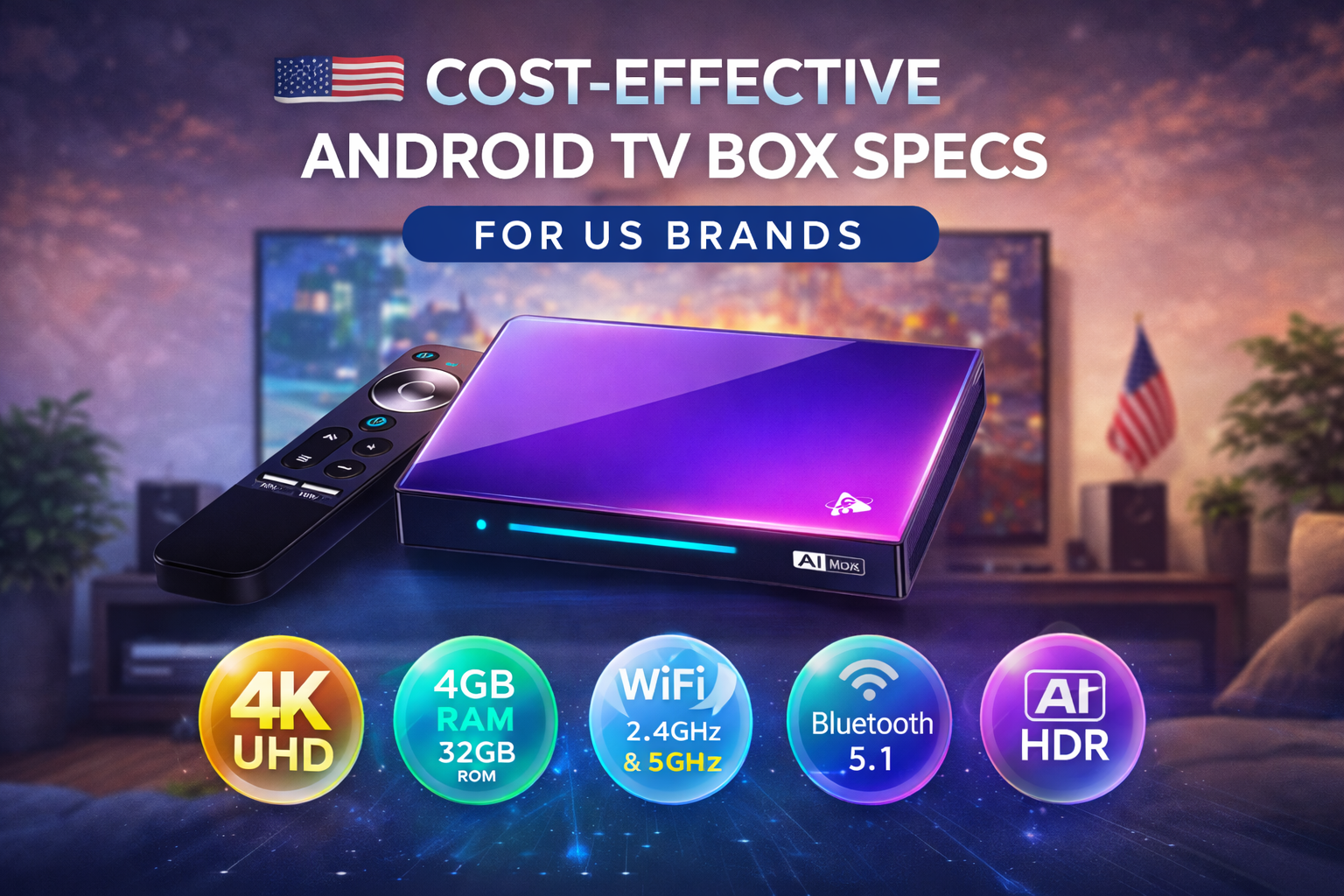
The Practical Guide to Android TV Box Specifications for the US Market: Myths vs. Reality
Introduction: Reassessing Android TV Box Specifications for US Market
Every year, US consumers spend millions on streaming devices, but the majority still misunderstand the core meaning behind Android TV Box Specifications for US Market. With frequent product launches, conflicting reviews, and complex technical terms, even seasoned buyers struggle to make informed decisions. This article provides a professional, fact-based guide for US buyers, dispelling common myths and laying out actionable strategies for choosing the best Android TV Box for their needs.
Why Specification Myths Persist in the US Market
US market research from Statista and NPD Group shows that nearly 60% of Android TV Box purchases are influenced by marketing language emphasizing RAM size, chipset performance, or storage capacity. However, user satisfaction surveys consistently reveal a gap between specification expectations and actual device performance. In fact, Consumer Reports (2024) notes that buyers who select boxes based solely on the highest specs are twice as likely to report dissatisfaction compared to those who prioritize certified hardware and software support.
Android TV Box Specs Comparison: Focusing on What Matters
Traditional Android TV Box specs comparison articles create an illusion that higher numbers always equate to better outcomes. Yet, technical benchmarks published by PCMag and Android Authority highlight the importance of optimized firmware, Widevine L1 DRM certification, and streaming app compatibility. The highest RAM or the fastest chipset is meaningless if the device cannot reliably access major US platforms like Netflix, Hulu, or Disney+.
Evaluating RAM and Storage for the US User
Android TV Box RAM and storage requirements for US consumers remain moderate. Most mainstream devices with 2GB to 4GB RAM and 16GB to 32GB storage perform flawlessly with leading apps, as supported by Android Central’s 2024 market survey. Less than 8% of customer service complaints relate to hardware shortages; most issues arise from poor firmware support or application incompatibility.
Understanding Chipset Performance in the US Context
In the US market, Android TV Box chipset performance is only part of the picture. Field testing by Digital Trends shows that mid-range, certified chipsets provide stable 4K playback, efficient power management, and long-term reliability. Conversely, flagship processors lacking official Google certification or optimized firmware often underperform in real-world conditions, leading to common user frustrations.
The Role of Hardware Configuration in Device Longevity
Leading US technical advisors recommend prioritizing Android TV Box hardware configuration that emphasizes official certification, regular firmware updates, and compatibility with major US streaming services. Case studies from Consumer Technology Association indicate that return rates for certified, mid-range devices are half those of non-certified, high-spec boxes—reinforcing the notion that real-world reliability matters more than the latest technical features.
Is Higher Specification Always Better for Android TV Boxes?
Is higher specification always better for Android TV Boxes? Extensive market research suggests otherwise. For the majority of US buyers, investing in the highest RAM or chipset numbers offers little practical benefit. Instead, Common Android TV Box configuration mistakes include overlooking software and certification, leading to app incompatibility, unstable updates, and frequent device returns.
Real-World Insights: Avoiding the Common Pitfalls
Analysis of US consumer forums, including AVSForum and Reddit, reveals that long-term satisfaction is tied to support, certification, and update policies rather than hardware alone. Verified users consistently report that devices purchased with a focus on Android TV Box Specifications for US Market matched to their streaming habits, not marketing hype, provide smoother experiences and greater longevity.
Best Practices for US Buyers
In summary, the best way to approach Android TV Box Specifications for US Market is to focus on reliability, certification, and software support. Buyers should seek transparent brands, documented compatibility with major US apps, and proven customer service records. Avoid Common Android TV Box configuration mistakes by treating the spec sheet as just one piece of a larger puzzle—and make informed decisions that deliver value, stability, and long-term satisfaction.
READ MORE
Advanced Buyer’s Analysis: US Android TV Box Spec Strategies
Selection Criteria: Making Sense of Android TV Box Specs in the US
Beyond Specs: US Market Evaluation of Android TV Box Choices
Effective Selection: Real-World Android TV Box Specs for US Buyers
Smarter Decisions: Avoiding Common Android TV Box Spec Traps in the US
Analysis: The Real Value Behind Android TV Box Specs in the US Market
Critical Review: Avoiding Spec Sheet Traps in US Android TV Box Choices
Expert Guide: US Android TV Box Specifications—Avoiding the High-Spec Trap
Quick Links

.png "Watch H96 Max Android TV Box reviews on our YouTube channel")

.png "Explore H96 Max product photos on Instagram")