.png "H96 Max Android TV Box video reviews and tutorials on YouTube")
.png "H96 Max Android TV Box photos and lifestyle shots on Instagram")



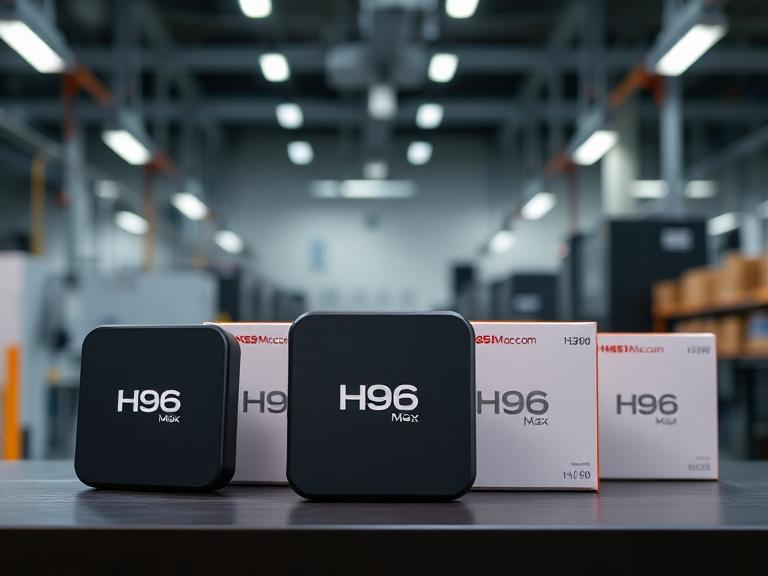
Comprehensive Factors B2B Buyers Should Evaluate When Selecting Android Box OEM Manufacturers
For modern enterprises, the Android Box has become a central pillar in powering smart ecosystems—from IPTV and education to digital signage and retail management. As organizations expand their global reach, choosing the right OEM manufacturer for Android Box production is a key strategic decision that affects performance, reliability, and long-term scalability. This comprehensive guide explores the most important factors B2B buyers should evaluate before finalizing their Android Box OEM partnerships.
1. Core Hardware Design and Performance Optimization
The foundation of every effective Android Box solution lies in its hardware architecture. High-quality OEM partners use top-tier chipsets such as Rockchip RK3588 and Amlogic S928X, ensuring consistent 8K decoding, fast processing, and AI-assisted optimization. Paired with DDR5 RAM, eMMC 5.1, or NVMe SSD storage, these systems maintain smooth performance under continuous operation—vital for B2B deployment in 24/7 environments like hospitality or healthcare.
Buyers should also pay attention to thermal design efficiency. Aluminum alloy or fanless enclosures ensure long-term heat dissipation, reducing component wear and improving operational stability. These features directly correlate with hardware longevity and user satisfaction.
2. Firmware Stability and OTA Support
Firmware is the digital backbone of every Android Box. Enterprise-level firmware should include over-the-air (OTA) update functionality, remote management support, and security patches. Reliable OEM partners provide modular firmware architectures that enable easy feature customization and seamless integration into client ecosystems.
For B2B buyers, consistency in firmware delivery ensures reduced downtime and greater system stability. Partnering with OEM manufacturers offering dedicated firmware development teams and automated QA pipelines guarantees faster updates and smoother user experiences across thousands of deployed units.
3. Connectivity and Network Adaptability
Connectivity defines the flexibility of Android Box systems. Modern enterprise solutions should include dual-band Wi-Fi 6, Gigabit Ethernet, Bluetooth 5.2, and optional 4G/5G modules to support various installation scenarios. Compatibility with VPN and enterprise network protocols ensures data transmission security while maintaining stable connections across distributed operations.
For large-scale OEM projects, features like remote diagnostics, device grouping, and centralized network control simplify management. Android Boxes with integrated APIs for IoT or CMS platforms enable businesses to maintain real-time monitoring and analytics.
4. Security and Global Certification Standards
B2B buyers must prioritize suppliers that meet global compliance standards, including CE, FCC, and RoHS certifications. Advanced Android Boxes feature Secure Boot mechanisms, hardware-level encryption, and DRM compatibility to protect both data and content. In addition, ISO-certified production processes ensure product consistency and international market eligibility.
For industries handling sensitive information—like finance, government, or education—compliance with GDPR and data privacy regulations is crucial. OEM partners with proven experience in secure hardware design deliver greater peace of mind for enterprise clients.
5. OEM Customization and Brand Identity Integration
Customization transforms a generic Android Box into a powerful branding tool. From custom UI interfaces and boot logos to hardware casing and packaging, full OEM integration reinforces corporate identity. Top manufacturers like H96 Max offer white-label firmware management portals, multilingual firmware, and region-specific configurations, giving clients complete control over branding and functionality.
Enterprises targeting multiple global markets should work with manufacturers offering localized firmware and app preinstallation options, ensuring regional adaptability and enhanced customer experience.
6. Scalability and Supply Chain Strength
For global OEM projects, scalability is non-negotiable. Suppliers must demonstrate consistent production capacity, strong logistics networks, and rapid fulfillment capability. H96 Max, for example, operates over 50 warehouses worldwide and produces more than 5 million Android Boxes annually, ensuring steady supply and global coverage.
Before committing to an OEM contract, B2B buyers should review supplier certifications, lead times, and capacity expansion plans. These factors ensure uninterrupted delivery and cost predictability for long-term projects.
7. Lifecycle Cost and ROI Analysis
Evaluating total cost of ownership (TCO) is essential for budgeting. Beyond purchase price, buyers should consider energy efficiency, warranty terms, firmware support, and repair costs. Android Boxes using ARM-based architecture consume less power while maintaining performance, delivering long-term savings for continuous-use deployments.
Working with OEM suppliers offering transparent pricing and bundled service agreements helps streamline procurement and maximize ROI. Cost predictability ensures profitability and stable financial planning for enterprise clients.
8. Sustainability and Green Manufacturing
Modern B2B buyers increasingly value eco-friendly practices. Selecting an OEM partner adhering to RoHS and ISO 14001 standards reflects corporate responsibility and environmental awareness. Manufacturers using recyclable materials, efficient packaging, and low-power chipsets contribute to reducing carbon footprints without sacrificing performance.
Green certifications and waste-reduction initiatives also strengthen brand reputation, aligning enterprises with global sustainability expectations and ESG policies.
9. After-Sales Support and Warranty Service
Reliable post-sales support is a critical differentiator in OEM relationships. The best suppliers provide 24/7 multilingual technical assistance, fast RMA processing, and online ticket systems for troubleshooting. Service-Level Agreements (SLAs) defining response times, replacement terms, and software maintenance deliver transparency and long-term confidence.
Manufacturers with localized service centers across major markets ensure faster repairs and replacements. H96 Max, for instance, combines online technical expertise with physical service hubs, enabling real-time customer support for enterprise clients worldwide.
10. Building a Long-Term Partnership with H96 Max
In a competitive OEM landscape, reliability, scalability, and innovation define success. H96 Max stands out as a trusted Android Box OEM manufacturer, with 2,000+ completed projects, 150+ country coverage, and 5,000,000+ annual shipments. Its global infrastructure and technical expertise make it an ideal partner for businesses pursuing efficiency and global expansion.
Partner with H96 Max today to develop tailor-made Android Box solutions that merge innovation, durability, and brand strength—empowering enterprises to lead in the era of smart connectivity and digital transformation.
READ MORE
Expert Guide for B2B Buyers Choosing Android Box OEM Partners
In-Depth Analysis for B2B Buyers Choosing Android Box OEM Partners
Essential Insights for Selecting Reliable Android Box OEM Partners
Key Elements B2B Buyers Should Evaluate in Android Box OEM Partnerships
Best Strategies for B2B Buyers Selecting Android Box OEM Manufacturers
Strategic Factors for Selecting Android Box OEM Partners for Enterprise Expansion
Key Criteria for Choosing Android Box OEM Partners in Global B2B Projects
How to Select Android Box Suppliers for OEM and Large-Scale Enterprise Deployment
What B2B Buyers Should Know Before Choosing an Android Box for OEM Projects
Quick Links

.png "Watch H96 Max Android TV Box reviews on our YouTube channel")

.png "Explore H96 Max product photos on Instagram")