.png "H96 Max Android TV Box video reviews and tutorials on YouTube")
.png "H96 Max Android TV Box photos and lifestyle shots on Instagram")



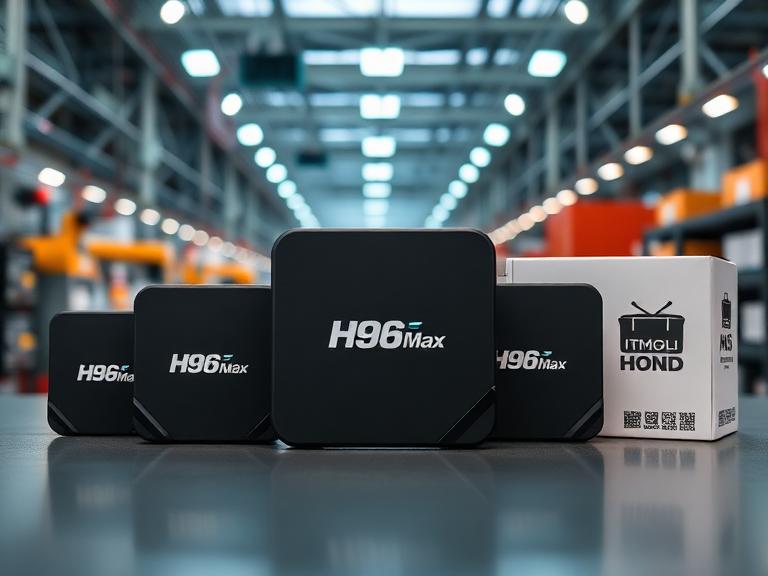
Key Considerations for B2B Buyers When Partnering with Android Box OEM Manufacturers for Global Deployment
The Android Box has become an indispensable technology in the modern B2B ecosystem, enabling enterprises to manage digital communication, media distribution, and smart IoT systems. For buyers seeking to execute OEM projects and large-scale deployments, the Android Box represents more than a streaming tool—it is a critical hub for scalable digital transformation. Selecting the right OEM manufacturer determines the success, efficiency, and longevity of your project.
1. Understanding Enterprise-Grade Hardware Architecture
The foundation of every high-performing Android Box lies in its hardware. OEM buyers must prioritize devices equipped with advanced chipsets like Rockchip RK3588 and Amlogic S928X, capable of supporting 8K video decoding, AI processing, and multitasking across applications. Equally important are DDR4 or DDR5 RAM and reliable storage technologies such as eMMC 5.1 or NVMe SSD, which maintain speed and consistency under heavy workloads.
Durability is a non-negotiable factor. Buyers should ensure that devices undergo strict vibration, drop, and thermal resistance testing. Industrial-grade Android Boxes with aluminum casing and smart cooling systems offer extended lifespans and consistent performance across industrial and commercial environments.
2. Firmware Customization and OTA Infrastructure
For enterprises deploying thousands of devices globally, firmware management defines operational success. OEM partners that provide OTA (Over-The-Air) update infrastructure and modular firmware systems deliver stability, scalability, and security. This setup allows businesses to manage software versions remotely while minimizing downtime.
B2B buyers should prioritize suppliers offering SDK-level customization, including branding options, integrated applications, and security patch schedules. Manufacturers like H96 Max offer flexible firmware configurations that adapt to enterprise CMS and streaming solutions, creating tailored functionality without compromising stability.
3. Connectivity and Integration Flexibility
Connectivity defines usability in large-scale deployments. A high-quality Android Box should support dual-band Wi-Fi 6, Gigabit Ethernet, Bluetooth 5.2, and optional 4G/5G connectivity. These standards ensure reliable communication for smart hotels, educational networks, or public display systems. Features such as HDMI input/output, Type-C ports, and multiple USB connections expand integration possibilities across platforms.
In addition, enterprise deployments benefit from Android Boxes capable of supporting IoT protocols like MQTT or WebSocket. This connectivity facilitates centralized monitoring and real-time analytics across thousands of devices, critical for managing nationwide or multi-regional networks.
4. Security and Data Protection Standards
Enterprise-grade security is essential for maintaining operational integrity. Buyers should confirm that their Android Box OEM adheres to CE, FCC, and RoHS certifications. Devices featuring Secure Boot, AES encryption, and DRM compliance ensure safe data transmission and prevent unauthorized firmware alterations.
Suppliers who incorporate hardware-level encryption and provide ISO 27001 certification for data management offer a strong advantage. In industries such as finance, healthcare, and education, these security assurances are critical for maintaining compliance and customer trust.
5. OEM Customization and Branding Advantages
OEM flexibility allows B2B clients to transform standard Android Boxes into fully branded solutions. From boot logo animations to packaging design, every detail contributes to brand consistency. For enterprises, this level of customization creates a seamless user experience and strengthens market recognition. Advanced OEM programs enable integration of corporate CMS systems, analytics dashboards, or pre-installed applications for sector-specific use cases.
H96 Max and similar top-tier manufacturers offer full UI branding, multilingual firmware, and packaging personalization, allowing customers to market under their own labels while maintaining technical reliability and performance consistency.
6. Global Logistics and Production Scalability
In large-scale deployments, logistics and production capacity determine the project’s success. Leading Android Box OEMs with multiple production lines and regional warehouses ensure fast turnaround and consistent supply. Buyers should evaluate supplier lead times, warehouse distribution, and QA processes before committing to contracts.
Manufacturers such as H96 Max maintain 50+ global warehouses and ship over 5 million Android Boxes annually, ensuring efficient order fulfillment and rapid response to client demands across 150+ countries. This infrastructure gives B2B buyers unmatched flexibility in managing global rollouts.
7. Cost-Efficiency and Lifecycle Management
Evaluating total cost of ownership (TCO) is critical for maximizing ROI. Energy-efficient Android Boxes built on ARM architecture reduce operational expenses in 24/7 environments. Buyers should look beyond upfront cost and assess long-term savings through firmware updates, warranty support, and component availability.
OEM partners that provide lifecycle management programs, spare part accessibility, and firmware longevity deliver better value over time. For large-scale deployments, predictable maintenance and energy efficiency directly translate into measurable cost reductions.
8. Sustainability and Green Manufacturing Practices
Sustainability is becoming central to procurement strategy. Selecting an Android Box manufacturer committed to eco-friendly practices ensures compliance with global ESG standards. Buyers should confirm that suppliers utilize recyclable packaging, RoHS-compliant materials, and energy-optimized production techniques.
Additionally, integrating firmware-level power management functions such as smart standby and adaptive voltage control helps organizations reduce carbon emissions without compromising system performance. These features support sustainability goals and enhance corporate social responsibility credentials.
9. Technical Support and Service Infrastructure
Comprehensive technical support ensures the long-term success of any OEM partnership. A reputable Android Box supplier must offer 24/7 technical service, multilingual support, and rapid RMA (Return Merchandise Authorization) processing. Service-Level Agreements (SLAs) defining response times, firmware updates, and repair logistics add reliability and transparency to operations.
Manufacturers with regional service hubs deliver faster solutions for hardware issues or firmware upgrades. With established facilities in multiple regions, H96 Max exemplifies the global support network needed for uninterrupted enterprise operations.
10. Partnering with H96 Max for OEM Excellence
Selecting a reliable OEM manufacturer is the cornerstone of successful enterprise deployment. H96 Max stands as a global leader in Android TV Box production, offering complete OEM/ODM solutions supported by 2,000+ completed projects. With a proven record of 5,000,000+ annual shipments and distribution across 150 countries, H96 Max delivers scalable, efficient, and customizable Android Box solutions tailored to B2B demands.
Partner with H96 Max to unlock the potential of advanced Android Box technology—combining innovation, sustainability, and performance to power the next generation of smart enterprise systems worldwide.
READ MORE
Expert Guide for B2B Buyers Choosing Android Box OEM Partners
In-Depth Analysis for B2B Buyers Choosing Android Box OEM Partners
Comprehensive Factors B2B Buyers Should Evaluate When Selecting Android Box OEM Manufacturers
Essential Insights for Selecting Reliable Android Box OEM Partners
Best Strategies for B2B Buyers Selecting Android Box OEM Manufacturers
Strategic Factors for Selecting Android Box OEM Partners for Enterprise Expansion
Key Criteria for Choosing Android Box OEM Partners in Global B2B Projects
How to Select Android Box Suppliers for OEM and Large-Scale Enterprise Deployment
What B2B Buyers Should Know Before Choosing an Android Box for OEM Projects
Quick Links

.png "Watch H96 Max Android TV Box reviews on our YouTube channel")

.png "Explore H96 Max product photos on Instagram")