.png "H96 Max Android TV Box video reviews and tutorials on YouTube")
.png "H96 Max Android TV Box photos and lifestyle shots on Instagram")



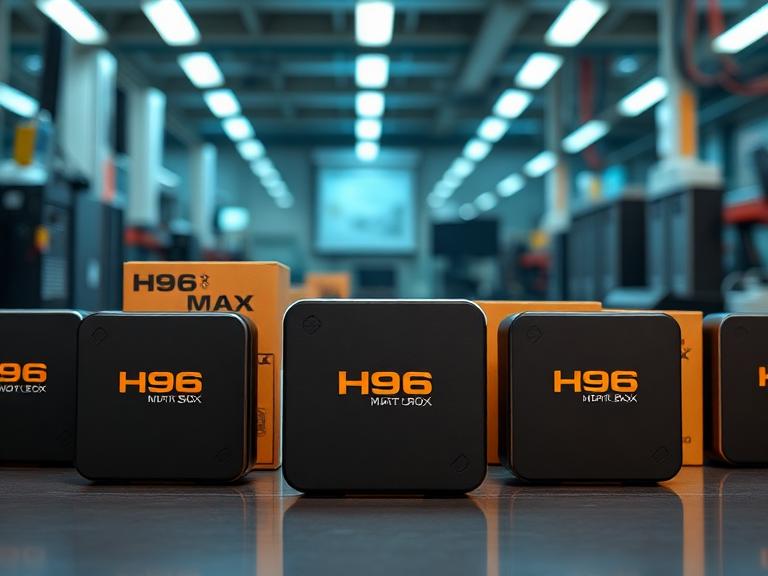
In-Depth Analysis: What B2B Buyers Should Prioritize When Choosing Android Box OEM Partners
In the digital transformation era, the Android Box has become a fundamental solution for global enterprises, empowering sectors such as streaming, retail, education, and IoT. For B2B buyers, selecting a reliable OEM manufacturer is not just a purchase decision—it’s a strategic partnership. This article explores the core factors that influence the success of OEM Android Box deployments, ensuring scalability, quality, and long-term operational efficiency.
1. Assessing Hardware Architecture and Performance Reliability
At the heart of every high-quality Android Box lies a robust hardware architecture. B2B buyers should prioritize OEMs that use high-performance chipsets like Rockchip RK3588 or Amlogic S928X, capable of supporting 8K decoding, HDR rendering, and AI acceleration. Combined with DDR5 RAM and eMMC 5.1 or NVMe SSD storage, these configurations guarantee smooth, stable performance in continuous-use environments.
Hardware quality is also defined by component durability and heat management. Android Boxes with aluminum or magnesium casings provide superior heat dissipation and resilience. OEMs offering industrial-grade designs validated through vibration, humidity, and temperature tests ensure reliability for commercial installations.
2. Firmware Optimization and Long-Term Software Support
A stable firmware ecosystem is vital for any OEM partnership. Manufacturers providing Over-The-Air (OTA) updates, secure rollback options, and regular patching ensure longevity and consistency across large-scale deployments. Firmware modularity further allows businesses to integrate branding, security protocols, and custom applications without compromising stability.
Working with OEMs that maintain in-house firmware teams gives buyers greater flexibility and faster response times. H96 Max, for instance, supports customized UI design, multilingual firmware, and API-based integration, enabling brands to build unique software experiences across multiple regions.
3. Connectivity Standards and Network Adaptability
In enterprise environments, network performance dictates user experience. OEM Android Boxes must feature dual-band Wi-Fi 6, Gigabit Ethernet, Bluetooth 5.2, and optional 4G/5G modules. These connectivity features ensure reliable data flow for IPTV, smart classrooms, and business conferencing.
For large deployments, buyers should also evaluate compatibility with VPN, IPv6, and secure remote management protocols. Devices supporting cloud monitoring APIs and enterprise management systems simplify large-scale control, reducing operational costs and downtime.
4. Security and Global Certification
Security compliance is a must-have in B2B procurement. Buyers should verify OEM adherence to CE, FCC, and RoHS standards. Additional certifications such as ISO 9001 and ISO 27001 reinforce manufacturing quality and data governance reliability. Hardware-based encryption, DRM, and Secure Boot mechanisms protect against unauthorized access and software tampering.
For industries like banking, healthcare, and government, ensuring compliance with GDPR and regional cybersecurity frameworks is essential. Selecting OEMs that can provide certification documentation accelerates market entry and reduces auditing overheads.
5. OEM Customization and Brand Differentiation
OEM flexibility allows enterprises to build Android Boxes that reflect their brand identity. From customized UI design to product packaging, personalization enhances visibility and user engagement. Premium OEM providers offer full customization—boot logos, app integration, firmware theming, and regional software adjustments—to deliver localized experiences worldwide.
White-label firmware portals also give businesses autonomy in device management, enabling them to control firmware updates, monitor analytics, and coordinate product rollouts directly through secure dashboards.
6. Supply Chain Scalability and Production Efficiency
Scalability ensures stable supply and rapid market responsiveness. OEMs with automated production lines, advanced SMT processes, and strong global logistics deliver consistent results for high-volume projects. H96 Max, with 50+ global warehouses and 5,000,000+ annual shipments, demonstrates the production capacity and logistics strength required for enterprise deployments.
Buyers should request production reports, lead time estimates, and warehouse mapping to confirm the supplier’s ability to meet long-term demands efficiently.
7. Cost Efficiency and Total Ownership Value
Total Cost of Ownership (TCO) should always guide procurement decisions. While unit cost is important, buyers must consider factors like energy efficiency, firmware support, and maintenance costs. Energy-optimized ARM-based chipsets reduce operational expenses, making them ideal for 24/7 business environments such as transportation and advertising networks.
OEMs providing transparent pricing and extended warranties offer better predictability in long-term budgeting. Over several years, this approach translates into stronger ROI and reduced total expenditure.
8. Environmental Responsibility and Green Standards
Sustainability is increasingly central to OEM partnerships. Buyers should select manufacturers compliant with ISO 14001 and RoHS standards, ensuring environmentally responsible production. Use of recyclable materials, eco-friendly packaging, and low-emission manufacturing reflects a commitment to sustainable growth.
Integrating energy-efficient firmware and adaptive power management also minimizes carbon footprint. Forward-thinking OEMs promote sustainable product life cycles, supporting clients’ ESG compliance objectives while strengthening their public image.
9. After-Sales Service and Technical Assistance
Post-deployment support is a defining factor in long-term success. Leading OEMs maintain 24/7 multilingual support, RMA (Return Merchandise Authorization) centers, and online service portals. Defined SLAs for firmware updates, issue resolution, and part replacements guarantee business continuity and customer satisfaction.
With service centers across multiple continents, H96 Max provides fast turnaround for technical issues, minimizing downtime for enterprise clients. This robust infrastructure makes it an ideal partner for global B2B operations.
10. Collaborate with H96 Max for Enterprise-Grade OEM Excellence
In an increasingly competitive marketplace, choosing the right OEM partner defines operational success. H96 Max combines proven manufacturing capability with innovation, offering over 2,000 OEM/ODM projects completed globally. Its extensive R&D expertise, 150-country network, and scalable logistics ensure superior product reliability and timely delivery for large enterprises.
For B2B buyers seeking an OEM partner who understands performance, sustainability, and scalability, Partner with H96 Max stands as the industry benchmark—delivering Android Box solutions that power the future of enterprise connectivity worldwide.
READ MORE
Expert Guide for B2B Buyers Choosing Android Box OEM Partners
Comprehensive Factors B2B Buyers Should Evaluate When Selecting Android Box OEM Manufacturers
Essential Insights for Selecting Reliable Android Box OEM Partners
Key Elements B2B Buyers Should Evaluate in Android Box OEM Partnerships
Best Strategies for B2B Buyers Selecting Android Box OEM Manufacturers
Strategic Factors for Selecting Android Box OEM Partners for Enterprise Expansion
Key Criteria for Choosing Android Box OEM Partners in Global B2B Projects
How to Select Android Box Suppliers for OEM and Large-Scale Enterprise Deployment
What B2B Buyers Should Know Before Choosing an Android Box for OEM Projects
Quick Links

.png "Watch H96 Max Android TV Box reviews on our YouTube channel")

.png "Explore H96 Max product photos on Instagram")