.png "H96 Max Android TV Box video reviews and tutorials on YouTube")
.png "H96 Max Android TV Box photos and lifestyle shots on Instagram")



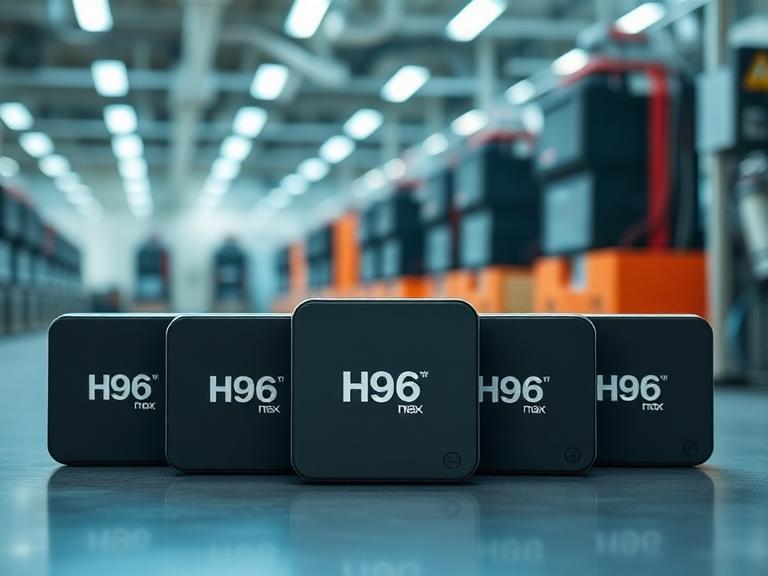
Expert Guide for B2B Buyers: Choosing the Right Android Box OEM Partner for Global Deployment
The Android Box has transformed from a household entertainment device into a crucial enterprise solution for digital transformation across multiple industries. B2B buyers in sectors like education, healthcare, and retail now rely on Android Boxes for smart displays, IoT integration, and real-time content delivery. Choosing the right OEM manufacturer ensures these devices meet enterprise-level standards for reliability, scalability, and customization. This comprehensive guide provides expert insights for selecting the ideal Android Box OEM partner.
1. Evaluating Hardware Reliability and Industrial Performance
Hardware quality is the cornerstone of every successful Android Box project. OEM manufacturers using industrial-grade chipsets like Rockchip RK3588 and Amlogic S928X deliver high-performance 8K decoding, multi-thread processing, and AI-accelerated rendering. These specifications are essential for 24/7 applications in digital signage, smart classrooms, and command centers.
Beyond performance, B2B buyers should evaluate durability metrics such as Mean Time Between Failures (MTBF) and operating temperature ranges. Devices with aluminum or magnesium casings, passive cooling mechanisms, and optimized PCB layouts guarantee longevity under extended workloads. Reliable hardware ensures consistent uptime and reduces maintenance costs for enterprise-scale deployments.
2. Firmware Management and OTA Ecosystem
In large-scale deployments, firmware efficiency determines operational success. OEM partners that provide a robust OTA (Over-The-Air) management infrastructure allow seamless firmware updates, remote bug fixes, and version control. This system prevents downtime while ensuring device consistency across global installations.
Enterprises should prioritize suppliers with in-house firmware teams capable of offering SDK-level customization, branding integration, and long-term support. Manufacturers like H96 Max excel in this domain by maintaining continuous firmware updates and security patch delivery through dedicated R&D resources.
3. Connectivity and Network Integration
Modern Android Boxes serve as digital hubs connecting various devices within enterprise ecosystems. For this reason, connectivity standards must support enterprise-level communication. Buyers should look for devices equipped with dual-band Wi-Fi 6, Gigabit Ethernet, and Bluetooth 5.2 for seamless interaction between peripherals. Optional 4G/5G modules and SIM card support further enable remote installations and mobile networks.
For B2B buyers managing large networks, Android Boxes with VPN, IPv6, and SNMP support provide additional control layers. Built-in APIs for MQTT and WebSocket enhance real-time data communication and monitoring—essential for IoT-based solutions and centralized management.
4. Security and Certification Assurance
Security compliance is a top priority when selecting an OEM. Buyers must ensure Android Boxes comply with CE, FCC, and RoHS standards. Features like Secure Boot, Trusted Execution Environments (TEE), and AES-256 encryption safeguard against unauthorized firmware access and data breaches. Manufacturers with ISO 9001 and ISO 27001 certifications provide verifiable assurance of quality and data integrity.
For regions with strict regulatory requirements, choosing OEMs capable of supplying localized compliance documentation accelerates customs clearance and reduces post-production costs. These proactive compliance measures protect both the brand and its customers.
5. OEM Customization and Branding Capabilities
A standout OEM partner offers comprehensive customization that aligns with a company’s branding and market strategy. This includes boot animation, interface language localization, preloaded apps, and customized packaging. H96 Max and other top-tier OEMs provide white-label firmware solutions, enabling B2B clients to fully manage software updates, analytics, and brand integration across all units.
Such customization empowers enterprises to build cohesive brand experiences and strengthens end-user recognition. OEM programs that offer region-specific localization ensure smoother market adaptation and user satisfaction in international deployments.
6. Supply Chain Reliability and Production Scalability
Supply consistency defines the difference between project success and delay. OEM manufacturers with multi-line assembly, automated QA testing, and strong logistics frameworks deliver timely, large-volume orders. H96 Max, for instance, manages over 50 global warehouses and produces 5,000,000+ Android Boxes annually—guaranteeing scalability and uninterrupted supply chains for enterprises.
B2B buyers should evaluate supplier transparency through production reports, lead time data, and raw material sourcing. Scalable production capacity combined with reliable logistics minimizes bottlenecks in fast-growing markets.
7. Lifecycle Cost Management
Price competitiveness alone should not determine OEM selection. Instead, enterprises should assess Total Cost of Ownership (TCO), factoring in firmware maintenance, after-sales service, and energy efficiency. ARM-based Android Boxes reduce power consumption significantly, making them suitable for continuous operation in enterprise and public sector installations.
Suppliers offering extended warranties and comprehensive after-sales packages deliver higher value over the product’s lifespan. Predictable maintenance costs and consistent firmware support strengthen operational stability and profitability.
8. Sustainability and Environmental Responsibility
Sustainability is increasingly influencing procurement policies. Selecting OEM partners that follow eco-friendly production standards—such as RoHS compliance, recyclable materials, and renewable energy utilization—enhances corporate ESG scores. OEMs with ISO 14001 certification demonstrate commitment to reducing environmental impact while maintaining efficiency.
Incorporating energy-efficient firmware algorithms and dynamic standby modes also contributes to lower carbon emissions, helping companies achieve sustainable digital transformation goals.
9. Technical Support and Global Service Framework
Strong post-sales support defines a dependable OEM partnership. Top Android Box manufacturers maintain multilingual technical teams, regional service hubs, and comprehensive SLA-based support systems. These infrastructures ensure immediate troubleshooting, minimizing operational interruptions for global deployments.
H96 Max’s after-sales network spans 150+ countries, with dedicated firmware teams and 24/7 online assistance—ensuring that enterprise clients receive reliable support throughout product lifecycles.
10. Partnering with H96 Max for Long-Term OEM Success
Selecting a strategic OEM partner defines how effectively enterprises deploy Android Box solutions worldwide. H96 Max combines deep technical expertise, advanced production systems, and global logistics capabilities to deliver excellence at scale. With over 2,000 OEM/ODM projects completed and consistent firmware innovation, H96 Max remains a trusted partner for enterprises worldwide.
Partner with H96 Max to power your enterprise transformation with Android Box solutions designed for reliability, scalability, and sustainability—setting a new benchmark in global digital integration.
READ MORE
In-Depth Analysis for B2B Buyers Choosing Android Box OEM Partners
Comprehensive Factors B2B Buyers Should Evaluate When Selecting Android Box OEM Manufacturers
Essential Insights for Selecting Reliable Android Box OEM Partners
Key Elements B2B Buyers Should Evaluate in Android Box OEM Partnerships
Best Strategies for B2B Buyers Selecting Android Box OEM Manufacturers
Strategic Factors for Selecting Android Box OEM Partners for Enterprise Expansion
Key Criteria for Choosing Android Box OEM Partners in Global B2B Projects
How to Select Android Box Suppliers for OEM and Large-Scale Enterprise Deployment
What B2B Buyers Should Know Before Choosing an Android Box for OEM Projects
Quick Links

.png "Watch H96 Max Android TV Box reviews on our YouTube channel")

.png "Explore H96 Max product photos on Instagram")